Optometrist: Your Eyes Didn't Fail You. Your Blood Did — And It Happens While You Sleep
Your eyes didn't wear out. Something has been quietly corroding the vessels behind them for years — and it does most of its work in the eight hours you're asleep.


The dark squiggles that drift across your vision when you look at a bright sky.
The blurry patch in the middle of the page that wasn't there last winter.
And the appointment where somebody finally said the words out loud: "We can only slow it down."
If you've been diagnosed with diabetic retinopathy, what I'm about to share may be the most important thing you read all year. Because the vision you're losing isn't your eyes wearing out — it's a sign that the vessels feeding your retina are being corroded faster than your body can repair them.
And after sixteen years looking into diabetic retinas for a living, I've found why that keeps happening even to patients whose blood sugar is finally under control.
Here's What Most People Don't Understand About Diabetic Vision Loss
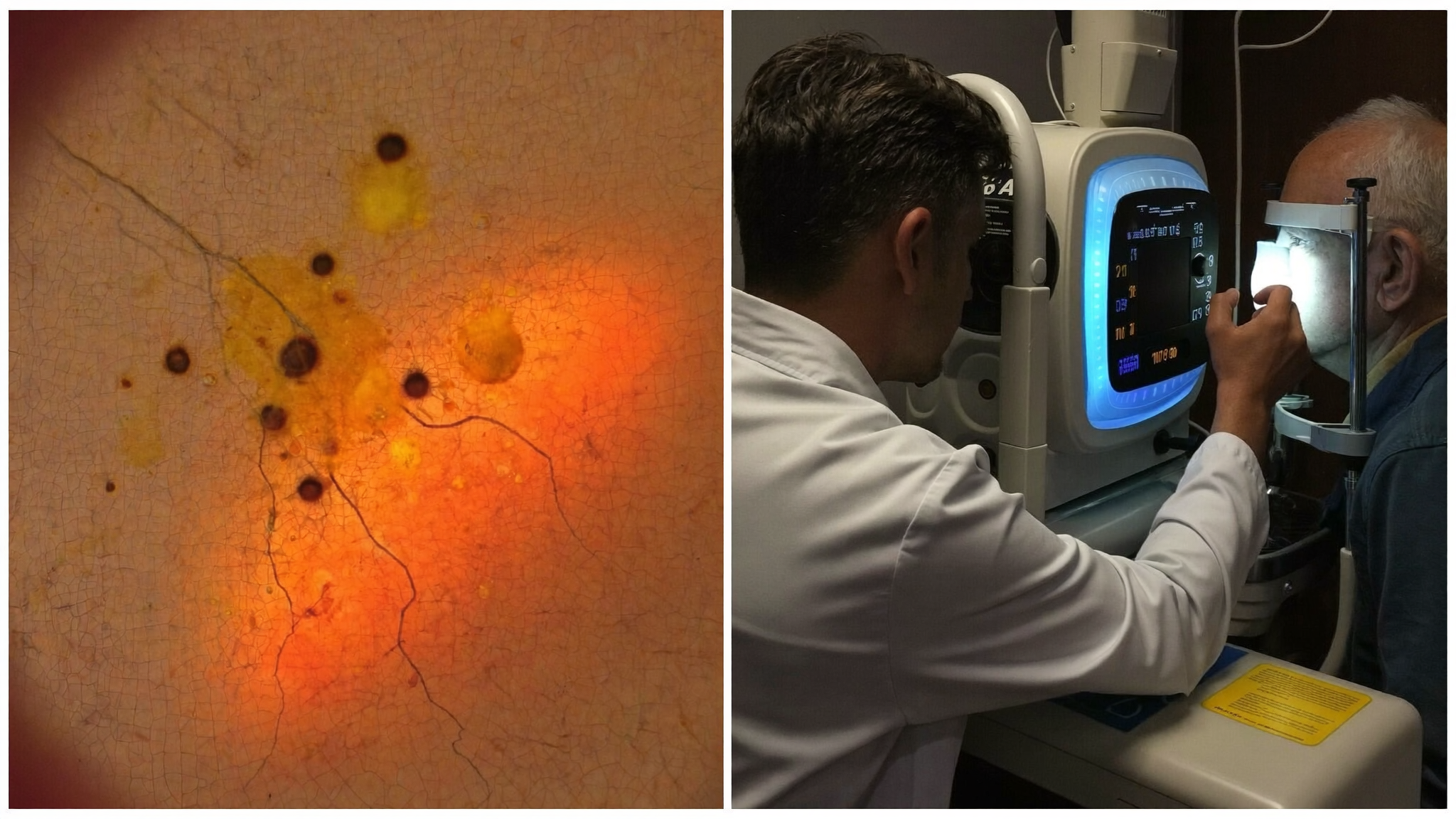
Diabetic retinopathy doesn't start in the eye. It starts in the blood.
Years of high sugar generate a constant storm of free radicals — oxidative stress — that corrodes the microscopic vessels feeding your retina. The support cells die off. The vessel walls weaken. They start to leak.
Think of it as rust spreading through pipes a tenth the width of a human hair.
But here's what makes diabetic eye disease particularly cruel: that corrosion runs on its own momentum, long after your numbers come down.
Unlike most damage that heals with rest, retinal damage accelerates during the hours your retina works hardest and receives the least blood.
And here's the part almost nobody explains: the worst of it happens while you sleep.
That's when your retina goes into full dark adaptation. When its oxygen demand hits its 24-hour peak. When blood flow to the eye falls off.
For most people with retinopathy, the night isn't rest. It's the hardest shift their eyes work all day.
The Hidden Problem Happening Every Night
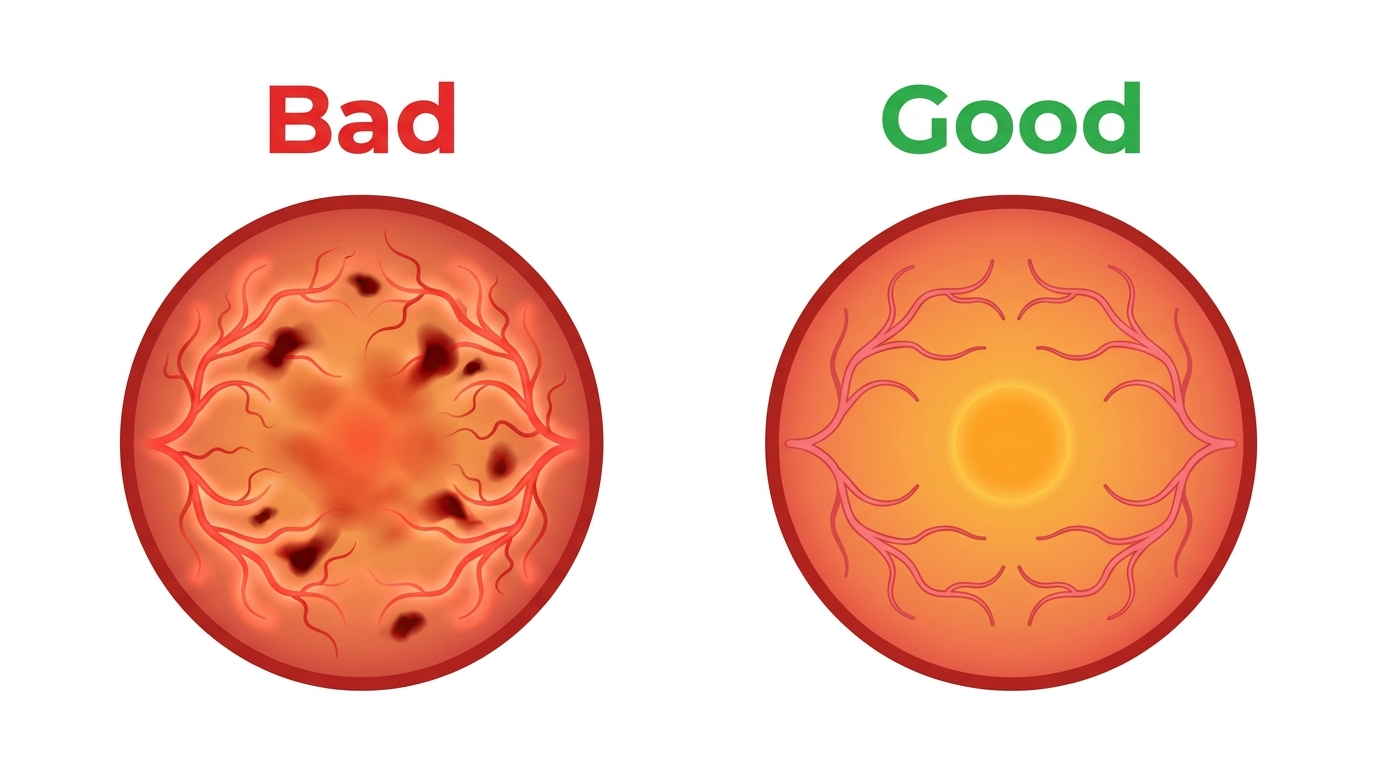
Here's what I've learned after sixteen years of diabetic eye exams:
Most people are unknowingly losing the most ground during the eight hours they think they're resting.
While you sleep, four things happen inside a diabetic retina:
This is why so many of my patients tell me the same thing: their control got better and their eyes still got worse.
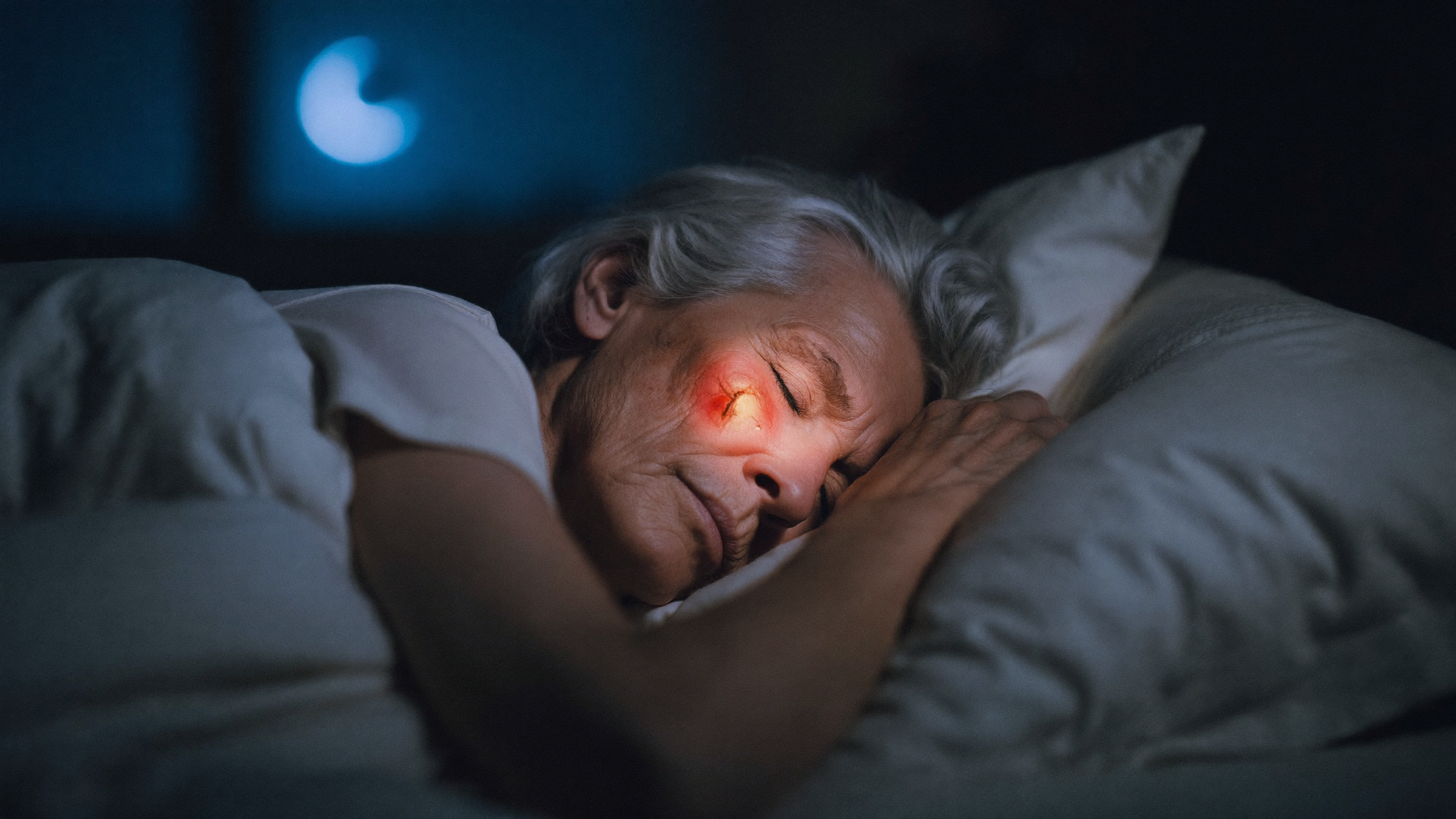
Their retinas aren't getting any protection during the exact hours the damage runs hardest.
The Research That Changed How I Look At Diabetic Eyes
For years I accepted what I was taught: manage the sugar, monitor the retina, refer for injections when it progresses.
Then I read a line in a diabetes journal I couldn't unsee.
Not by lowering glucose. By neutralizing the oxidative damage the glucose was causing.
The key word is consistent. To do anything at the root, an antioxidant has to actually be present in the vessel wall during the hours the damage is running — which means every single day, overnight included:
Lutein and zeaxanthin simply aren't built for this. They're pigments. They sit in the macula and filter light. That's daytime glare — not overnight corrosion.
It's tinting the windshield while the engine is on fire.
The Breakthrough Isn't New. It's Seventy Years Old.
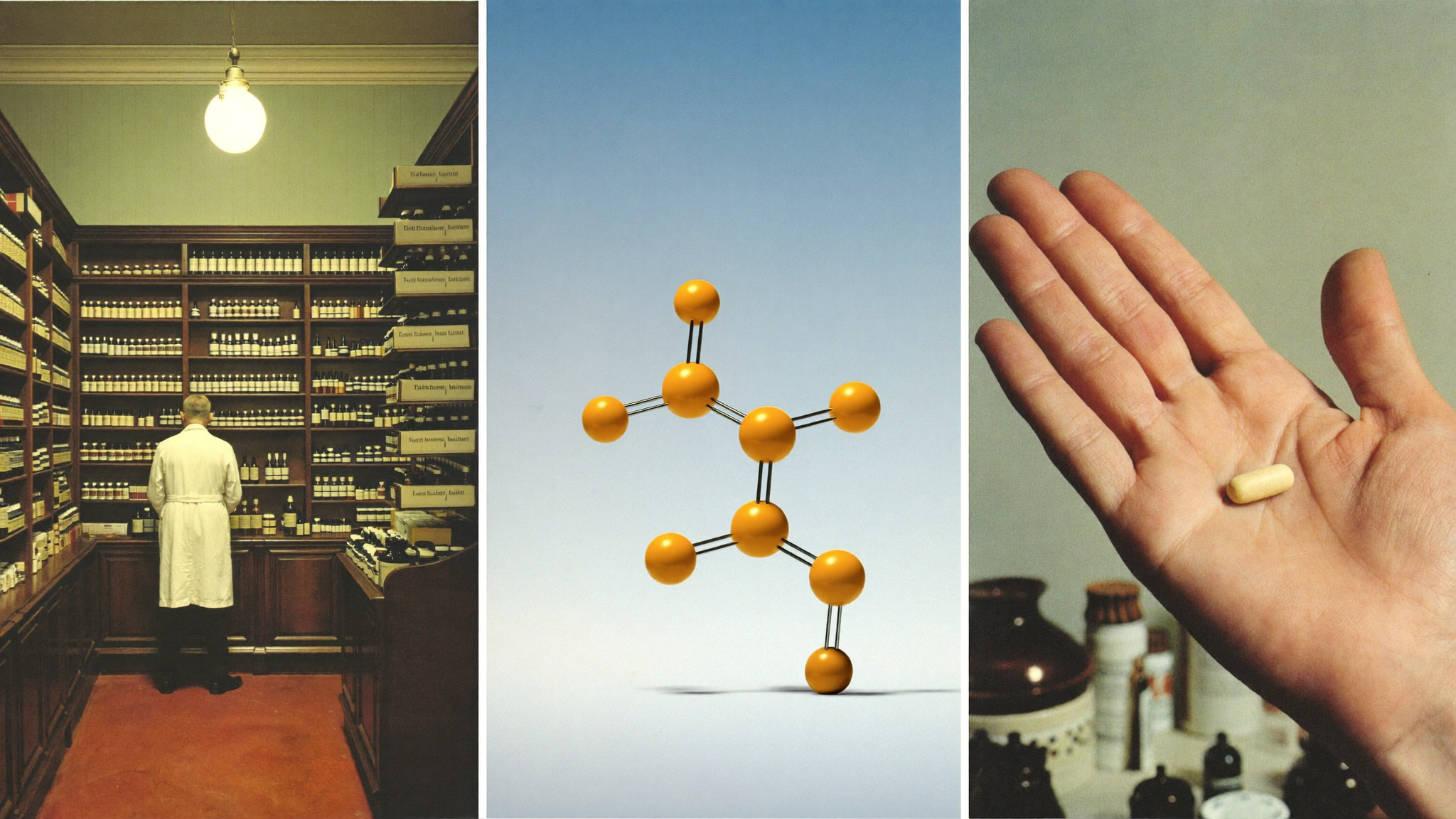
The compound is alpha-lipoic acid — and it isn't a supplement trend.
It was isolated in 1950. By the 1960s, German doctors were prescribing it for the nerve and vessel damage of diabetes. It has been in prescription use across Europe for roughly half a century, while American diabetics were handed needles and drugstore pigment pills.
But there's a catch, and it's the reason most people who "tried ALA" felt nothing.
The half nobody tells you about
Alpha-lipoic acid comes in two mirror-image forms. Only one of them — the R-form — is the one your body actually makes and uses. The cheap tubs on the shelf are racemic: roughly half R, half the inactive S-form. You pay for 600 mg and get maybe 300 mg of anything usable.
The pure R-isomer is a different animal:
Most importantly: it's one small softgel. People actually keep taking it.
And consistency is the whole game.
Introducing Noverly R-Alpha Lipoic Acid
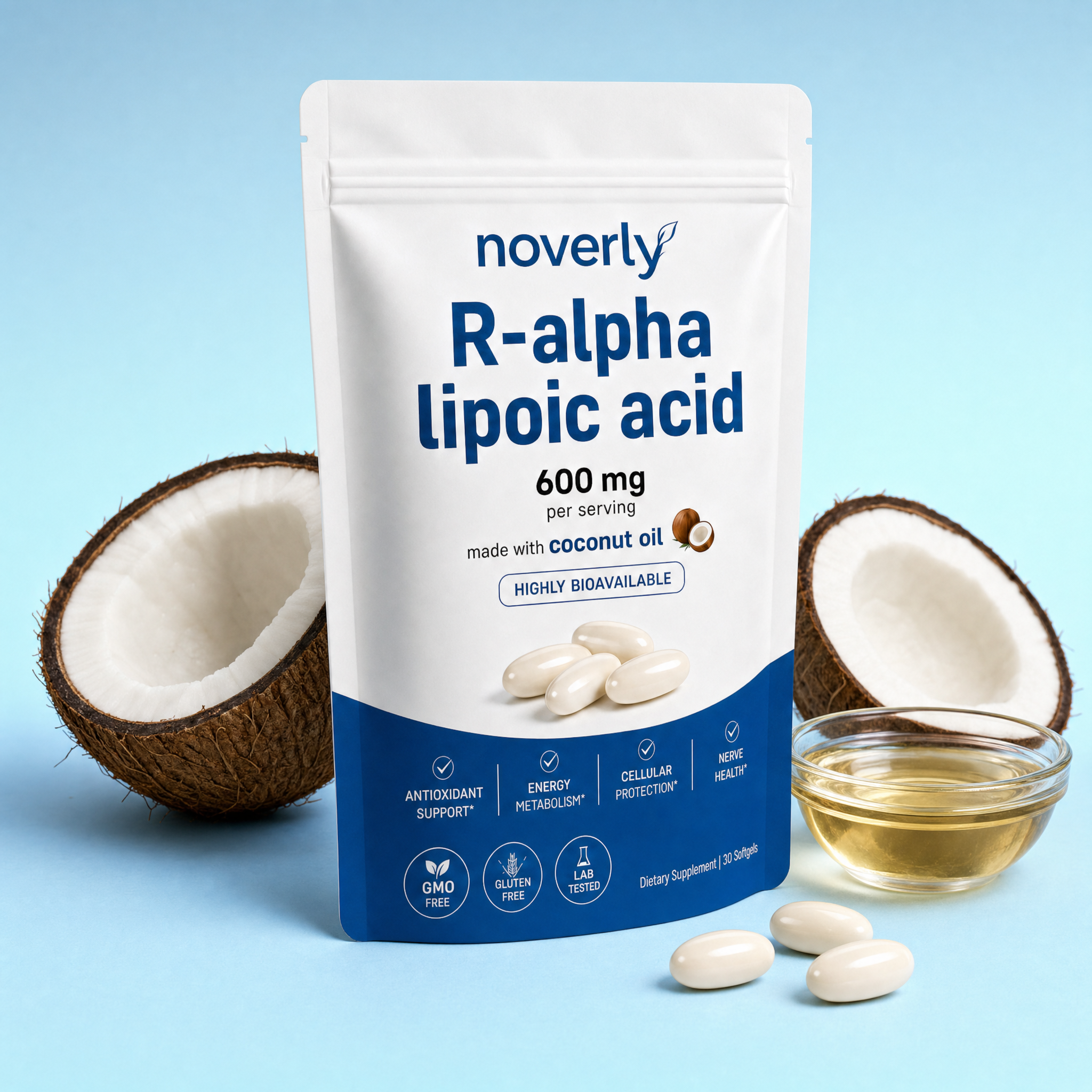
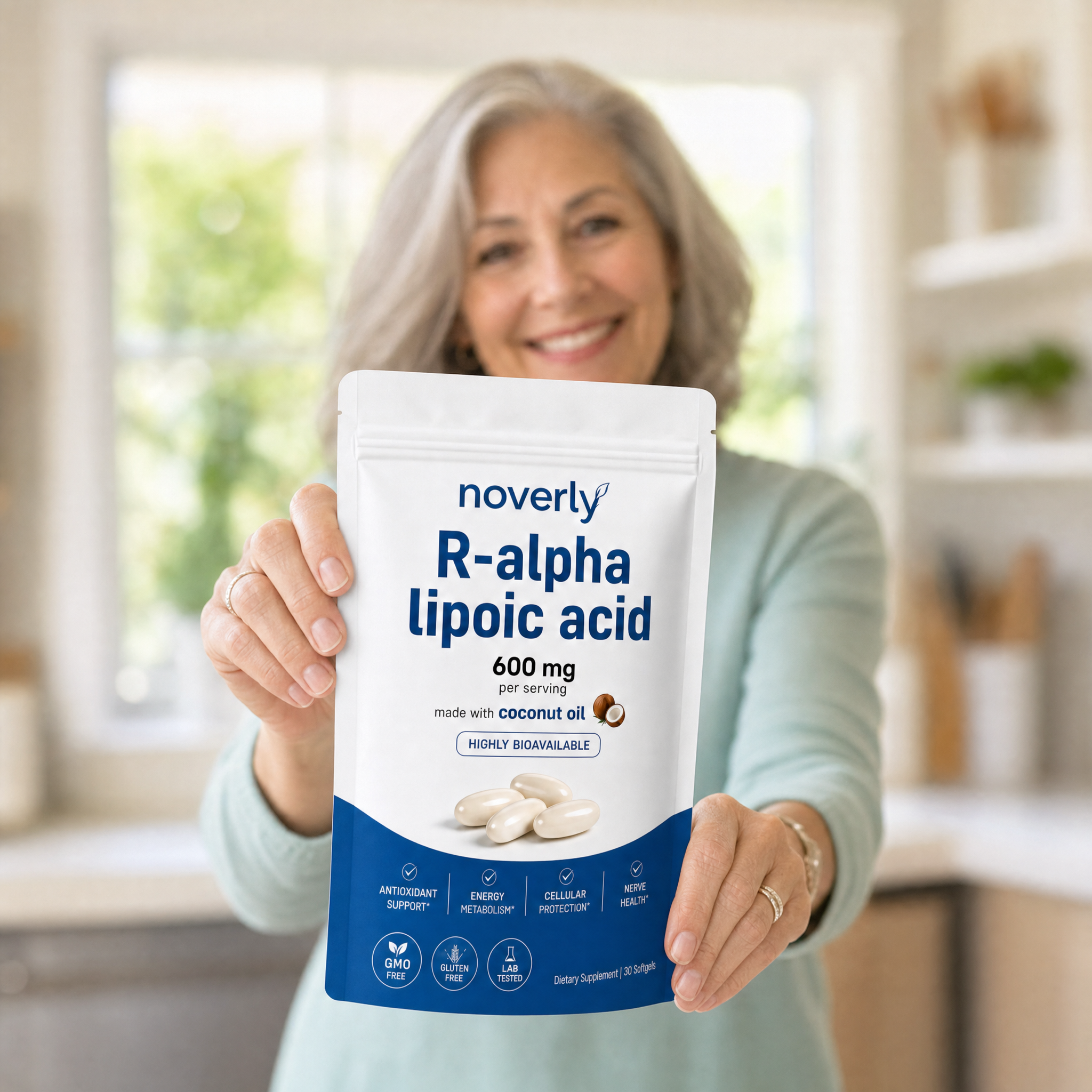
It looks like an ordinary supplement pouch. Don't let that fool you.
Thousands of diabetics have switched to Noverly for exactly one reason: it isn't a fifteen-in-one eye formula. It's one molecule, in its bioactive form, at the dose the research actually used.
Pure R-form. 600 mg per serving. Made with coconut oil so it absorbs. One softgel.

"Fourteen years diabetic and nobody ever explained to me why my eyes kept sliding while my numbers looked fine. I take one before bed now. I finally feel like I'm doing something at the actual cause."

"I'd bought cheap alpha lipoic acid off a shelf for two years and felt nothing at all. Reading that half of it was the dead form explained a lot. This is the only one I've stayed on."
The Results Speak For Themselves
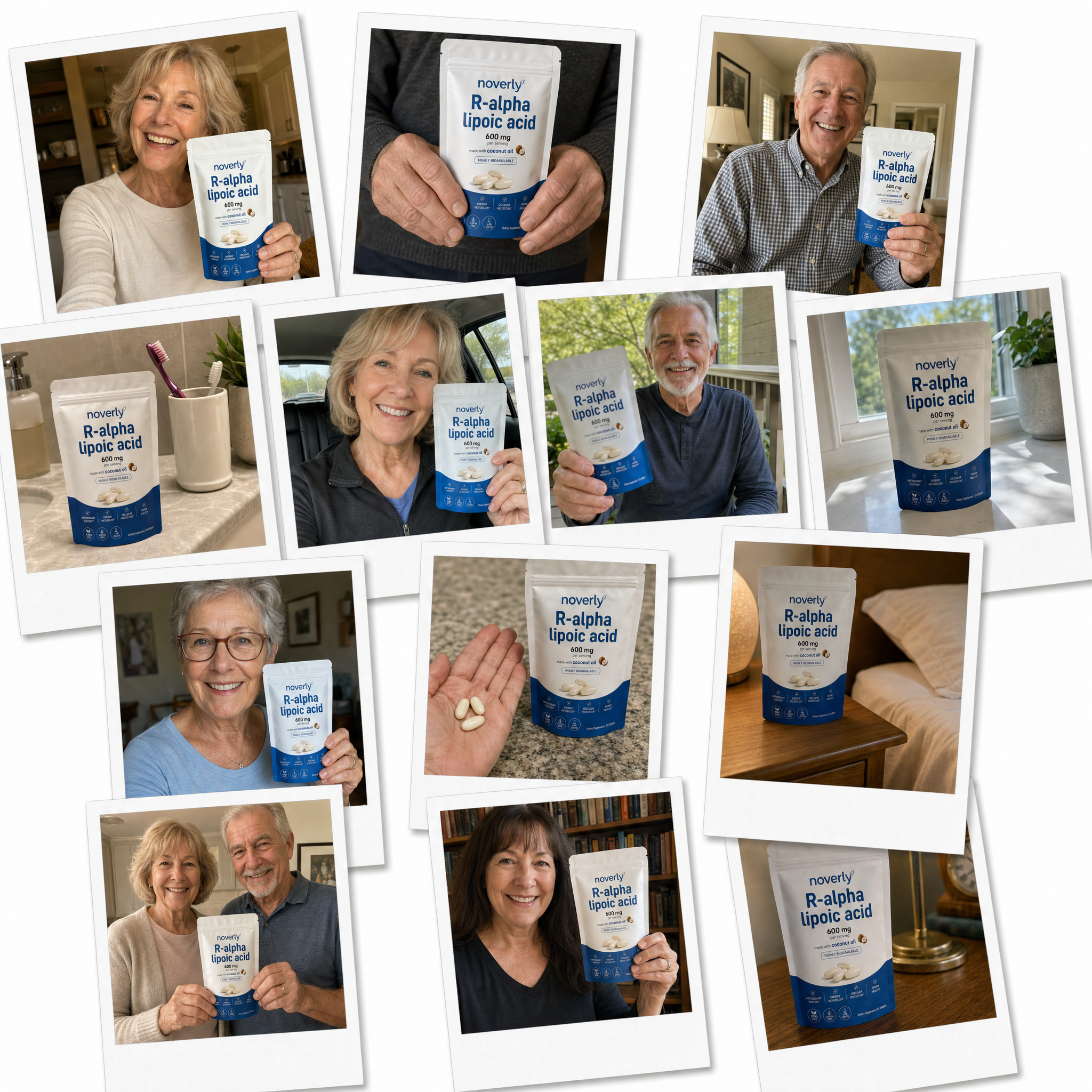
In a recent customer survey of Noverly users living with diabetic eye changes:
But here's the number that stops me every time: 76% said their own eye doctor had never once mentioned this compound to them.
Why Noverly Is Different
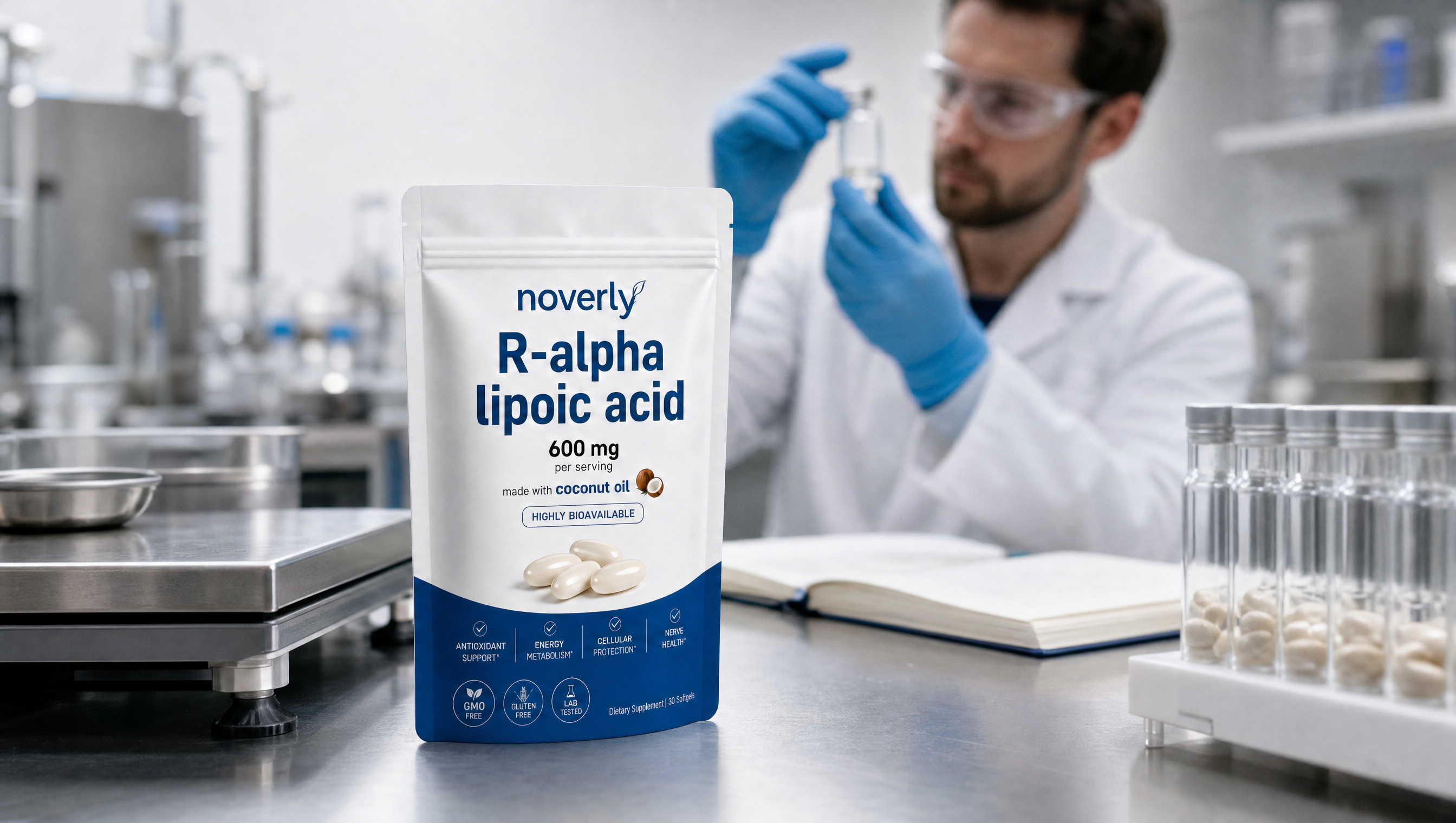
They're not a massive corporation. They're a small team making one thing properly.
Every batch uses the pure R-isomer — the exact part everyone else cuts to save money — carried in coconut oil, and independently tested before it ships.
That level of detail means they routinely struggle to keep up with demand. When people find something aimed at the cause instead of the decline, word spreads fast.
One customer, Ellen R. in Tulsa, ordered a single pouch to try it. Three weeks later she called and asked for four more — one for her, three for the women in her diabetes support group.
If you're reading this now, they probably still have stock. I can't promise how long that lasts.
You Can't Buy Noverly Anywhere Else
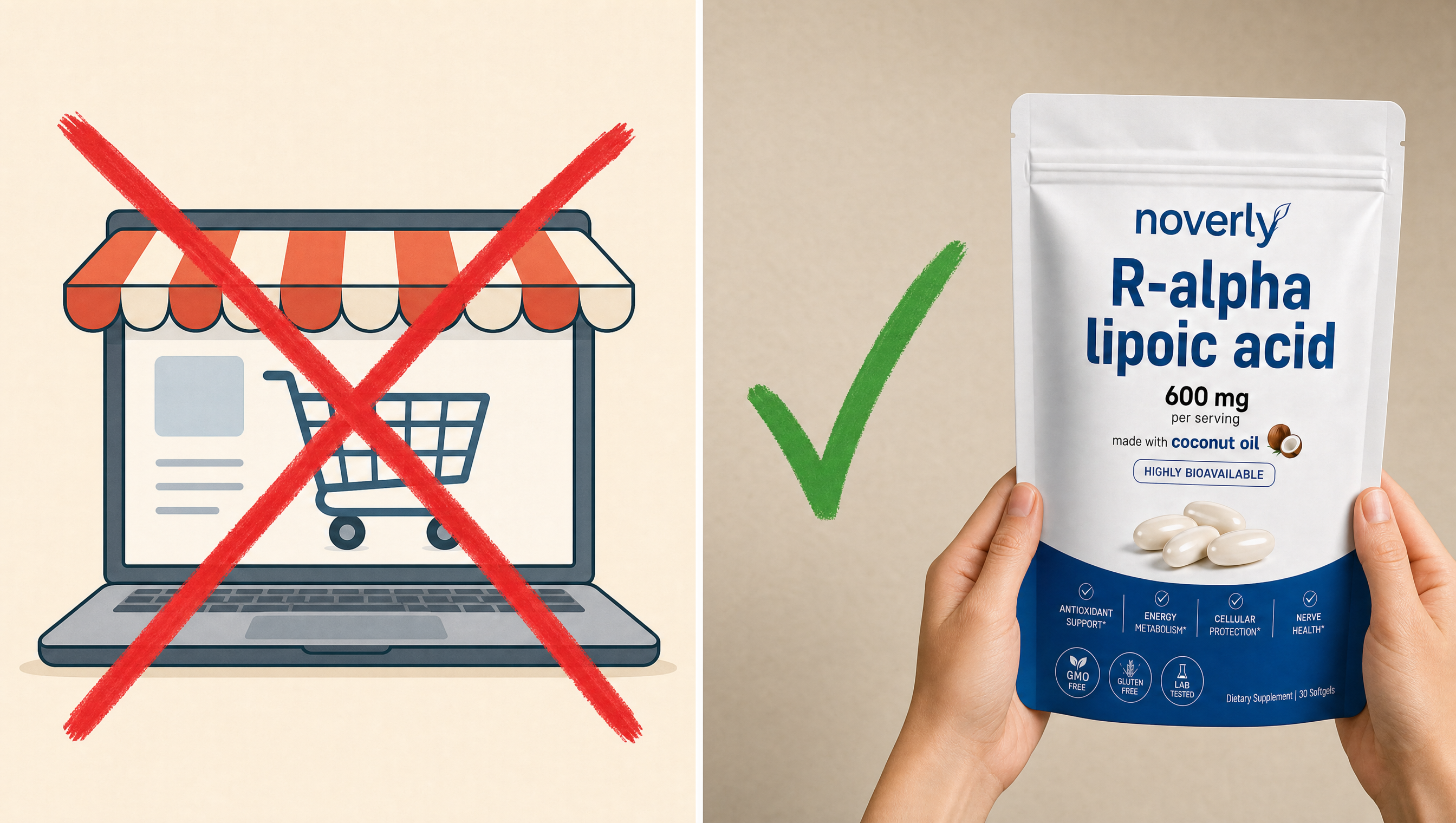
Noverly is sold exclusively through their own website. Not in stores, not on Amazon, not on any marketplace.
Be careful with the cheap imitations. The knockoffs are almost always racemic ALA in a bottle that says "alpha lipoic acid" in the same size type — half of it inactive, and the reason so many people swear the compound does nothing.
The only way to get the genuine pure R-form is through the official site, where it normally sells for $60.
Why Noverly Keeps The Price Accessible
Industry people told them they should be charging at least $149.
Their reasoning made sense:
- Pure R-isomer costs several times more to produce than racemic ALA
- Coconut-oil softgel delivery costs more than dry powder in a capsule
- Every batch is independently verified before it ships
- Comparable root-cause formulas sell for $90–$150
But they didn't build Noverly to maximize margin.
They built it because nobody should have to choose between their retirement money and protecting their sight.

Limited-Time: 50% Off + Buy One, Get One FREE
For a limited time they're running 50% off plus buy one, get one free.
That's two pouches for one price — enough to run a proper stretch without reordering, or a second one for a spouse who's also diabetic.
It's the best price I've seen on the pure R-form anywhere.
90-Day Money-Back Guarantee

They're confident enough to put the entire risk on their own side of the table.
Take Noverly for up to 90 days. If you don't feel it's doing anything for you, contact them for a full refund — even if the pouch is empty.
No hassle. No questions.
Hours: Mon–Fri, 9am–6pm ET
What Happens Next

Click the button below to claim your Noverly R-Alpha Lipoic Acid — 50% off plus buy one, get one free.
Take one small softgel before bed, so the antioxidant is actually present through the hours your retina is working hardest.
Keep taking everything your doctor has you on. This isn't a replacement for your treatment — it goes after the oxidative damage running underneath it. One note: if you take insulin or another glucose-lowering medication, tell your doctor you're starting it, because R-ALA can affect blood sugar.





Your Eyes Deserve More Than "We Can Only Slow It Down"
Every night you sleep without any protection in place is eight more hours the corrosion runs unopposed.
Thousands of diabetics have already made this switch. If you're serious about giving your eyes the best chance you can, the compound German doctors have used on diabetic vessel damage for half a century is the one I'd want present overnight.
© 2026 Noverly · Terms · Privacy · Contact