8 Reasons Diabetics Spilling Protein Are Switching To 600 mg Of Pure R-Form

The short version: your filter is not leaking because you are dehydrated. It is leaking because high blood sugar has been glazing and corroding the mesh for years — and nothing you have been handed was ever aimed at that. This is the part nobody explained, and the eight reasons below are why diabetics are adding this one softgel to what their doctor already gave them.
Reason #1: It Gets Inside The Filter Within 24 Hours — And Works On Both Things Corroding It
You flush, and it doesn't go. A head of foam sits on the water like a poured beer, and it is still there when you come back.
That foam is protein. What follows is the exact process putting it there — and why this softgel is aimed at that process instead of the puddle it leaves behind.
Each kidney holds around a million microscopic filters called glomeruli. Blood is pushed through them under pressure; they keep the protein in and let the waste out. It is a mesh finer than anything you own.
High blood sugar attacks that mesh in two ways at once, and both have names.
1. Glycation. Spare glucose chemically bonds onto the proteins of the filter membrane and hardens there — the same reaction that turns sugar into a brown crust on a hot pan. The residue is called advanced glycation end-products, or AGEs. The membrane thickens, stiffens, and loses its grip.
2. Oxidative stress. That same excess glucose floods the tissue with free radicals, which kill off the podocytes — the octopus-shaped cells that wrap each filter and form its actual seal. Lose enough of them and the mesh simply stops being watertight.
And the two feed each other. AGEs generate more free radicals; free radicals generate more AGEs. That is why the damage keeps moving even in years when your numbers look decent — it stopped needing your blood sugar to be high. It only needed it to be high long enough to start.
And it starts fast, because it does not have to wait for anything to be rebuilt:
Within 24 hours it is inside the filter itself — it is one of the very few antioxidants that can be, for reasons covered in Reason #5. Through the first week it goes after the glazing, so the membrane stops thickening. By two weeks it has recharged your own vitamin C, vitamin E and glutathione back to full strength, which leaves a standing defence around the filter instead of a one-time rescue. By four weeks you have given the filter a month of that, instead of a month of the alternative.
Note what is not in that list. Nothing gets reversed and nothing gets rebuilt. The whole job is protecting the filter you still have while you still have it — which is the only thing on offer here, and the reason we can be specific instead of vague.
This is also why you feel completely fine. Filter tissue has no nerve endings to report damage, so stages one through three are silent by design. Feeling fine was never reassurance — it was this process working exactly as it always works, and nobody sat you down and explained it.
Reason #2: The Only 600 mg Pure R-Form Aimed At The Filter, Not The Urinary Tract
Everything else a diabetic spilling protein gets offered is aimed somewhere other than the filter. That is not an insult to any of it — it is a category difference, and it is the entire reason this product exists.
Look at what you actually got handed. A blood-pressure pill. A sheet about salt. A glass of water. And a follow-up in six months.
The blood-pressure pill is real medicine and it genuinely helps — it lowers the pressure driving blood through the mesh. But it lowers the force on the filter. It does nothing about what is eating it.
Then there is the supplement aisle. Cranberry, astragalus, nettle, parsley — the "kidney cleanse" shelf. Those are urinary-tract botanicals. They were built for a different organ problem entirely, and they have no route into a glomerular membrane.
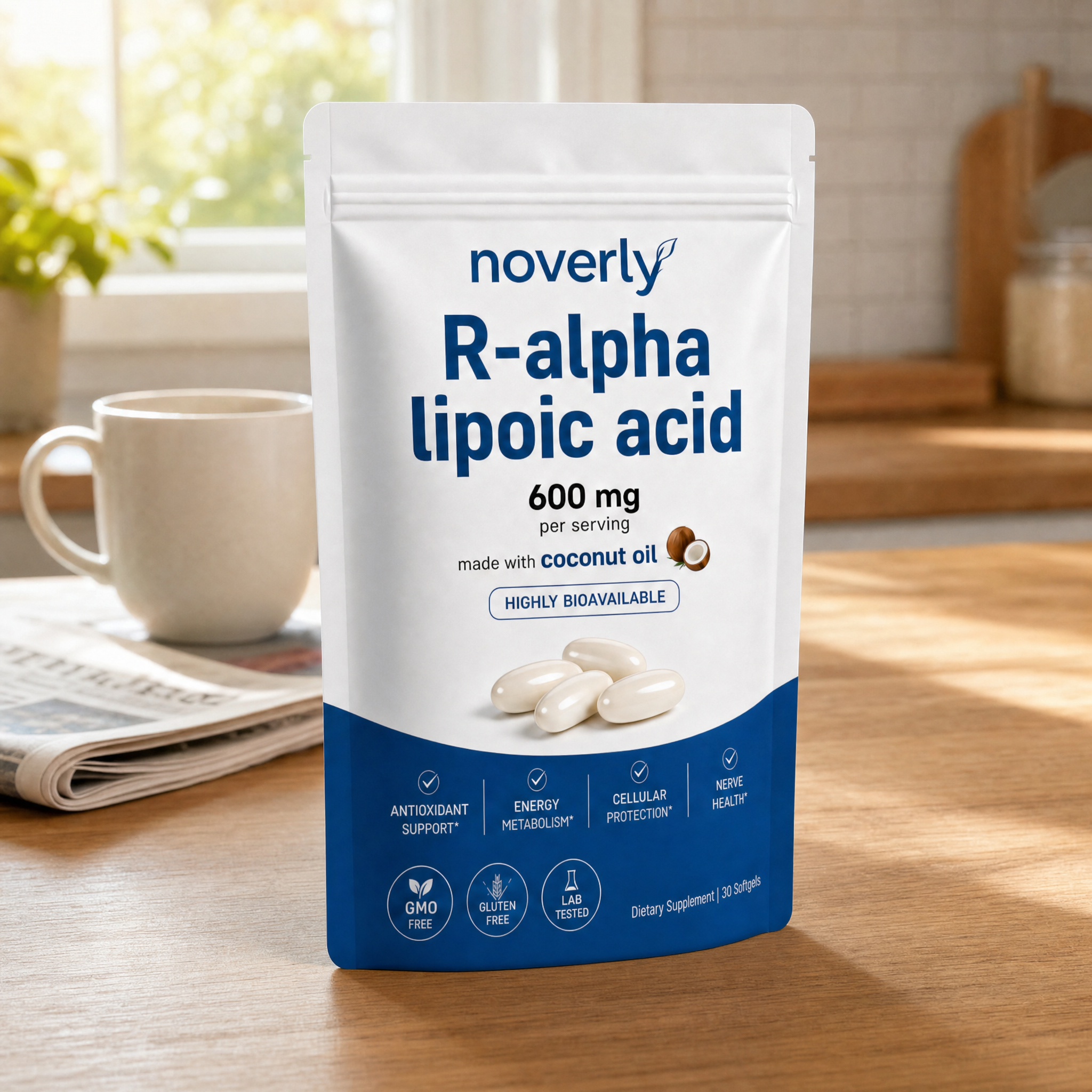
And there is the cheap alpha-lipoic acid people try, feel nothing from, and quit. Nearly all of it is racemic: a 50/50 blend of two mirror-image forms.
Only the R-form occurs in nature and fits the enzymes it is meant to work with. The S-form is a byproduct of cheap manufacturing, and there is evidence it competes with the R for absorption. Half of what you paid for was in the way.
You did not fail alpha-lipoic acid. You were sold the half that does not work.
Reason #3: Clinically Studied At This Exact Dose — And The Leak Held Steady For 18 Months
This is the part that matters, and it is worth being precise about.
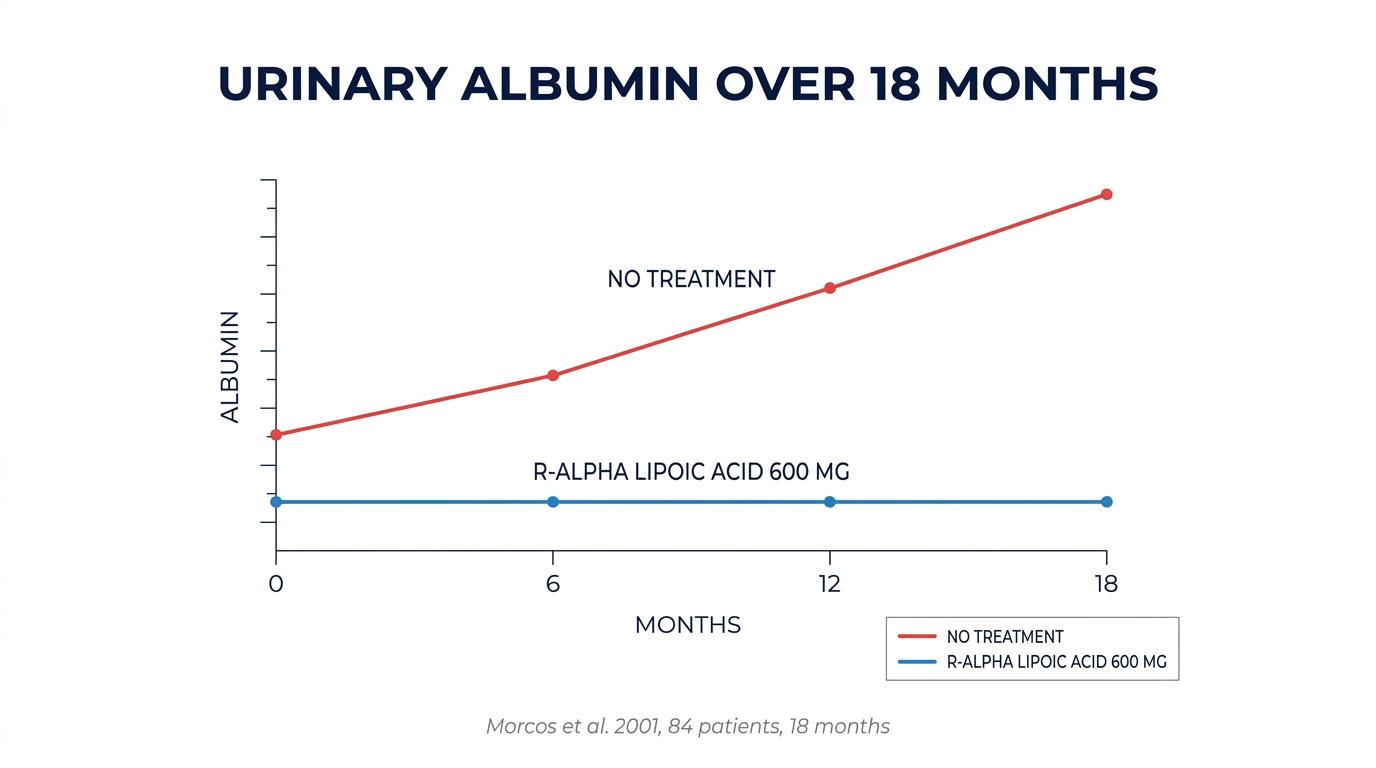
Eighty-four diabetic patients. 600 mg a day — the dose in this pouch. Eighteen months of follow-up. In the group that got nothing, urinary albumin climbed, the way it had been climbing all along. In the group taking alpha-lipoic acid, it did not move.
That is human research, in diabetics, measured in urine, at exactly the 600 mg in this pouch — not an animal model, not a different dose, and not a 20-ingredient formula where nobody can tell you which part did the work.
Here is where we stop, and we will say it plainly on every page we publish: nobody has shown this rebuilds a filter that is already gone. The evidence on filtration rate itself is mixed and we are not going to pretend otherwise.
Reason #4: The Same Softgel Works On The Nerves And Blood Sugar Feeding The Damage
The process corroding your filter is not confined to your kidneys.
The same glycation and the same free radicals are what put the tingling in diabetic feet and the smudge in diabetic eyes. One mechanism, several addresses. It reaches the filter first here because the filter is the most delicate tissue on the route.
Which is why one molecule covers more ground than a kidney-only blend can. And it is where the evidence is strongest: alpha-lipoic acid's best human data is actually in diabetic nerve damage — gold-standard controlled trials, plus a 2023 meta-analysis pooling ten of them across more than 1,200 patients. That is the use Germany approved it for, and it is the same oxidative damage doing it.
It also improves insulin sensitivity, which matters upstream of everything above. Less glucose circulating means less of it available to glaze onto the membrane in the first place — so you are not only mopping up the damage, you are turning down what feeds it.
90-Day Guarantee — order with confidence!
Reason #5: It Works In Both Water And Fat, So It Reaches The Entire Filter
What sets Noverly apart is not what it leaves out — it is that one molecule does the whole job.
Most kidney formulas stack twelve botanicals and hope. Noverly has one, because R-alpha lipoic acid is not one of several things that help a little. It is the single molecule that does all of this at once:
Two of those deserve a sentence more.
Both water and fat. The filter is not one substance — it is watery fluid running through fatty membranes. An antioxidant that only dissolves in water reaches half of it. One that only dissolves in fat reaches the other half. Alpha-lipoic acid is the rare one that goes everywhere, which is why it earned the name the universal antioxidant.
The glazing. When blood sugar runs high, glucose chemically bonds onto the proteins of the filter membrane and hardens there — the same reaction that turns sugar into a brown crust on a hot pan. The membrane gets thicker, stiffer and leakier by the year. Alpha-lipoic acid blunts that reaction in humans; it is one of the better-established things it does.
And the date on that last tile is not decoration. Alpha-lipoic acid was isolated in 1951, and in 1959 German hospitals began using it as the emergency antidote for death-cap mushroom poisoning — the one that destroys the liver. It worked, so Germany went on to approve it for the nerve and liver damage of diabetes, where it has been a reimbursed prescription ever since.
Six decades of German diabetics have had this on a prescription pad. American diabetics got a pamphlet about salt.
90-Day Guarantee — order with confidence!
Reason #6: It Stacks On What You Already Take — And Made It Work Better, 53% vs 30%
This is the finding that should have been in your discharge notes.
In diabetic patients already taking an ACE inhibitor, adding alpha-lipoic acid on top cut protein loss by 53% — against 30% for the ACE inhibitor on its own. Not instead of the drug. On top of it.
That is the whole shape of this product. It does a job your prescription was never designed to do — the drug lowers the pressure driving blood through the mesh, this works on what is eating the mesh — which is exactly why the two together beat either one alone.
So it does not replace your ACE inhibitor, your metformin or your blood-pressure pill, and it is not asking you to cancel anything. That 53% only exists because those patients kept taking the drug. Keep every appointment you have.
The routine is one softgel with your first meal of the day. No new appointment, no procedure, no handful of extra tablets.
One honest note for diabetics: R-alpha lipoic acid may improve insulin sensitivity. If you are on insulin or a sulfonylurea, tell your doctor you have started it and watch your numbers for the first couple of weeks. That is a real consideration and we would rather say it up front than bury it.
Reason #7: Real Diabetics, Holding The Actual Pouch
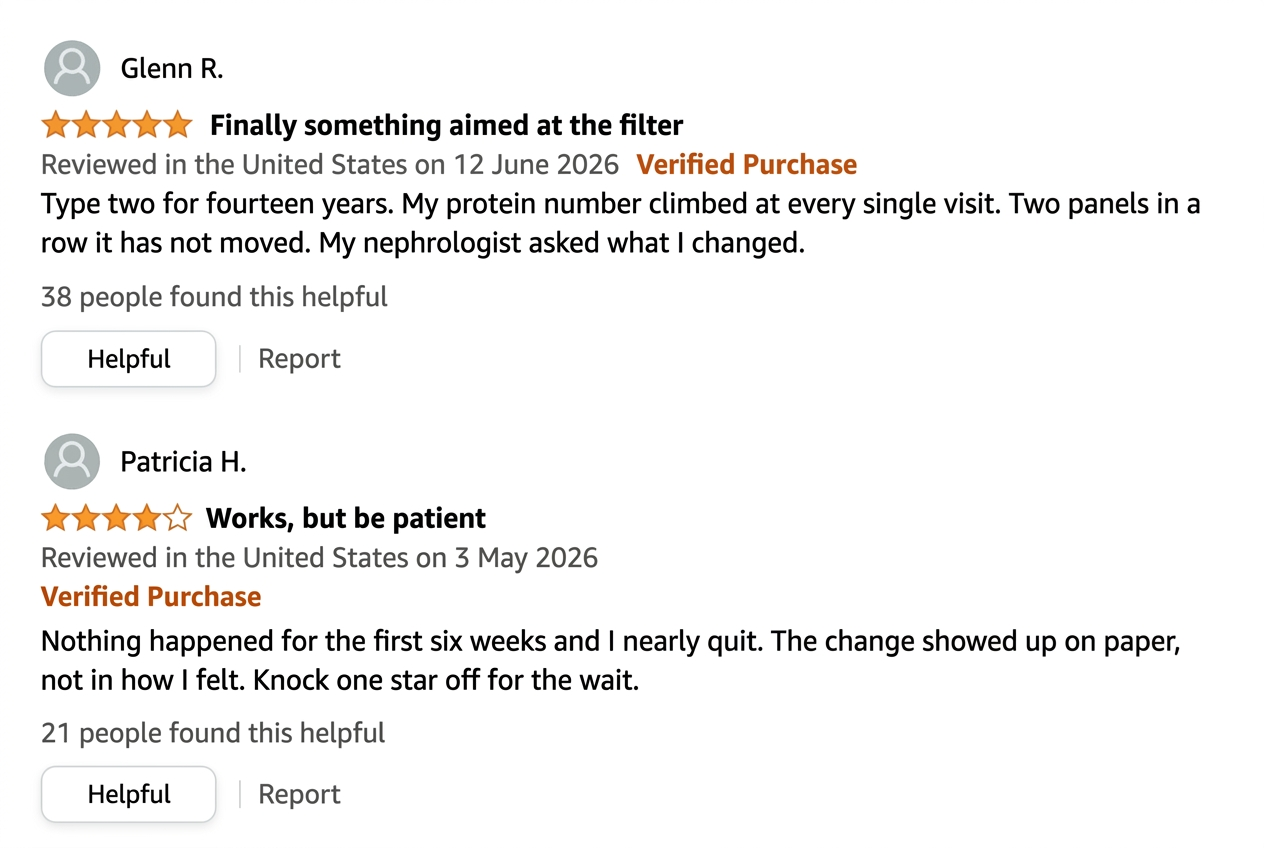
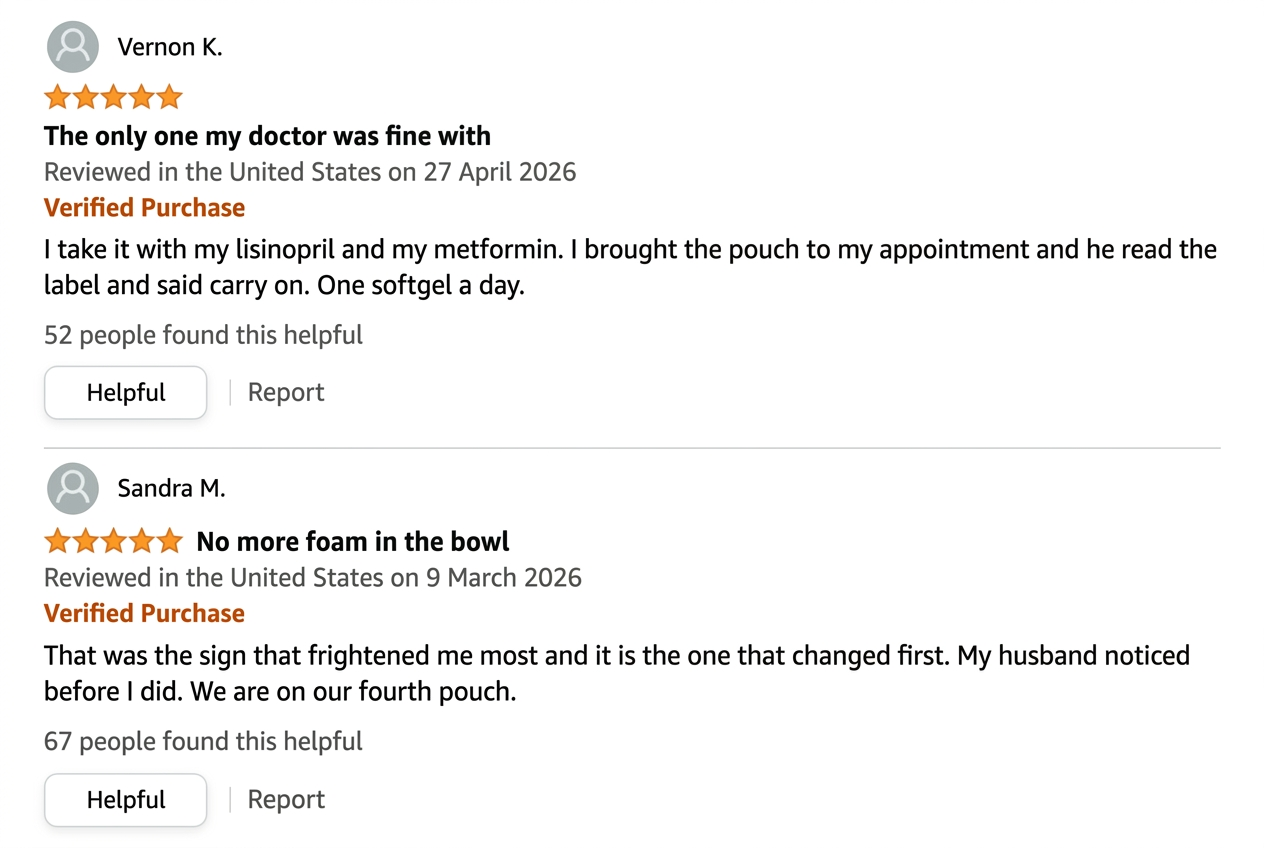
Thousands of people living with diabetic kidney decline have already switched to the pure R-form — most of them after years of being told to drink more water and come back in six months.
Here they are:
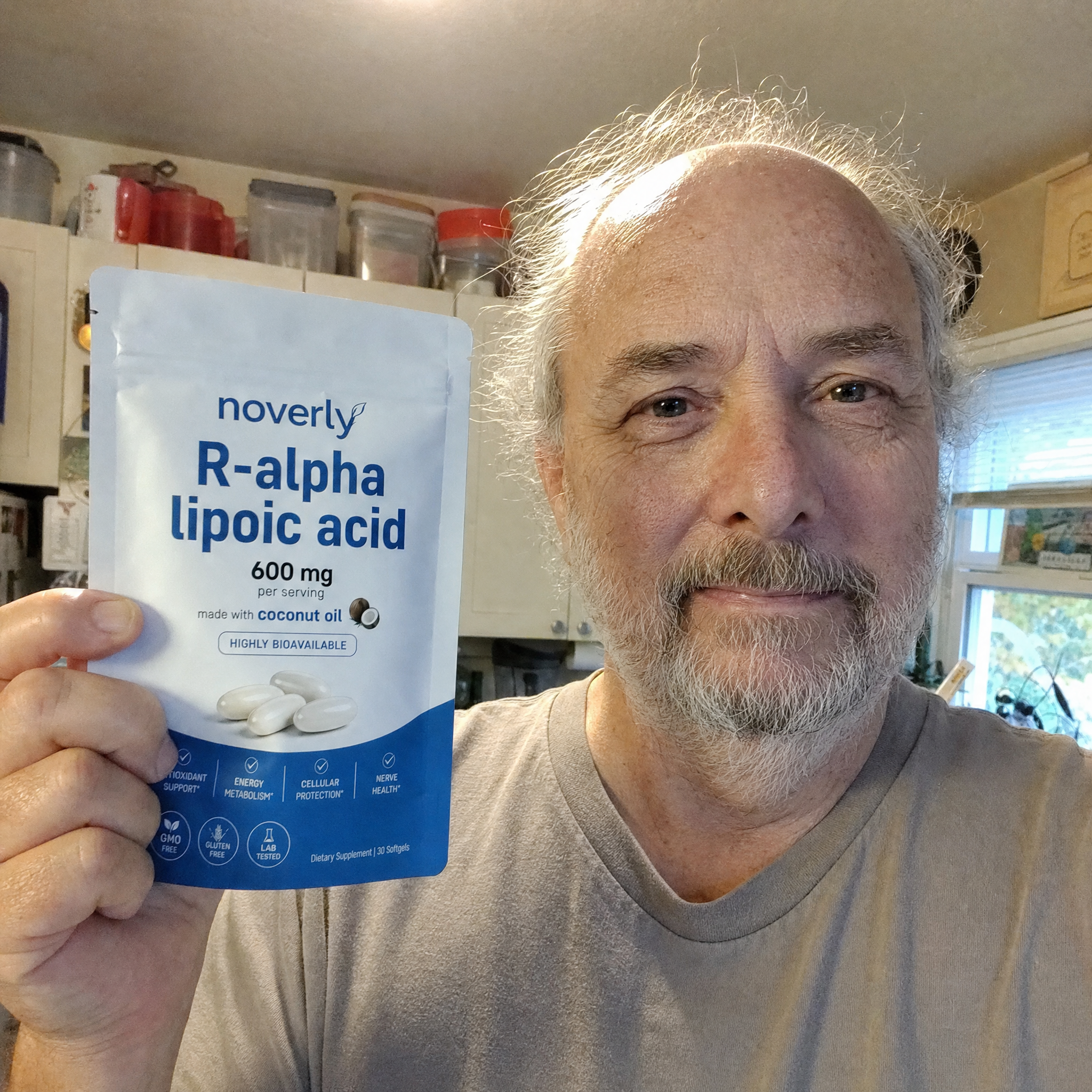
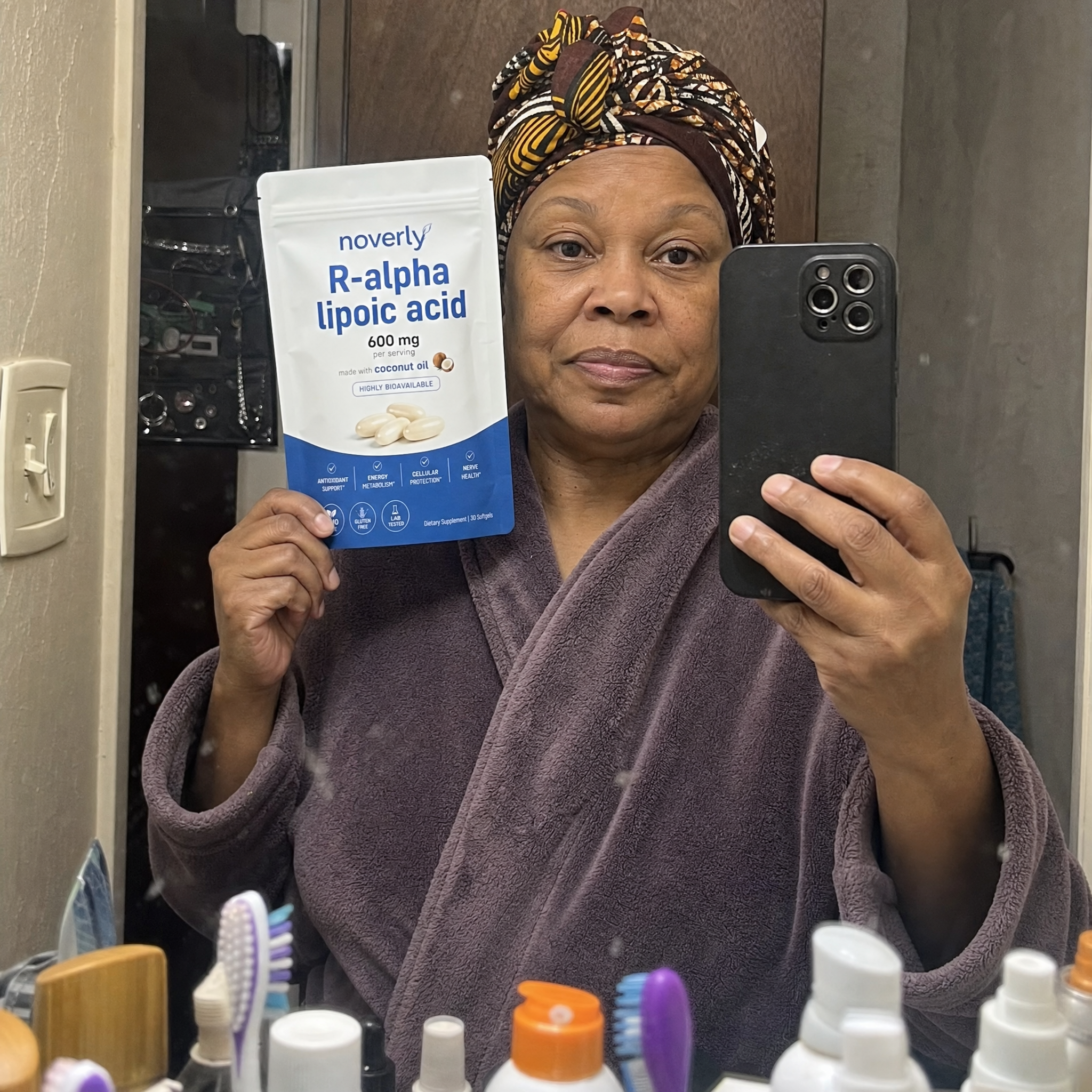
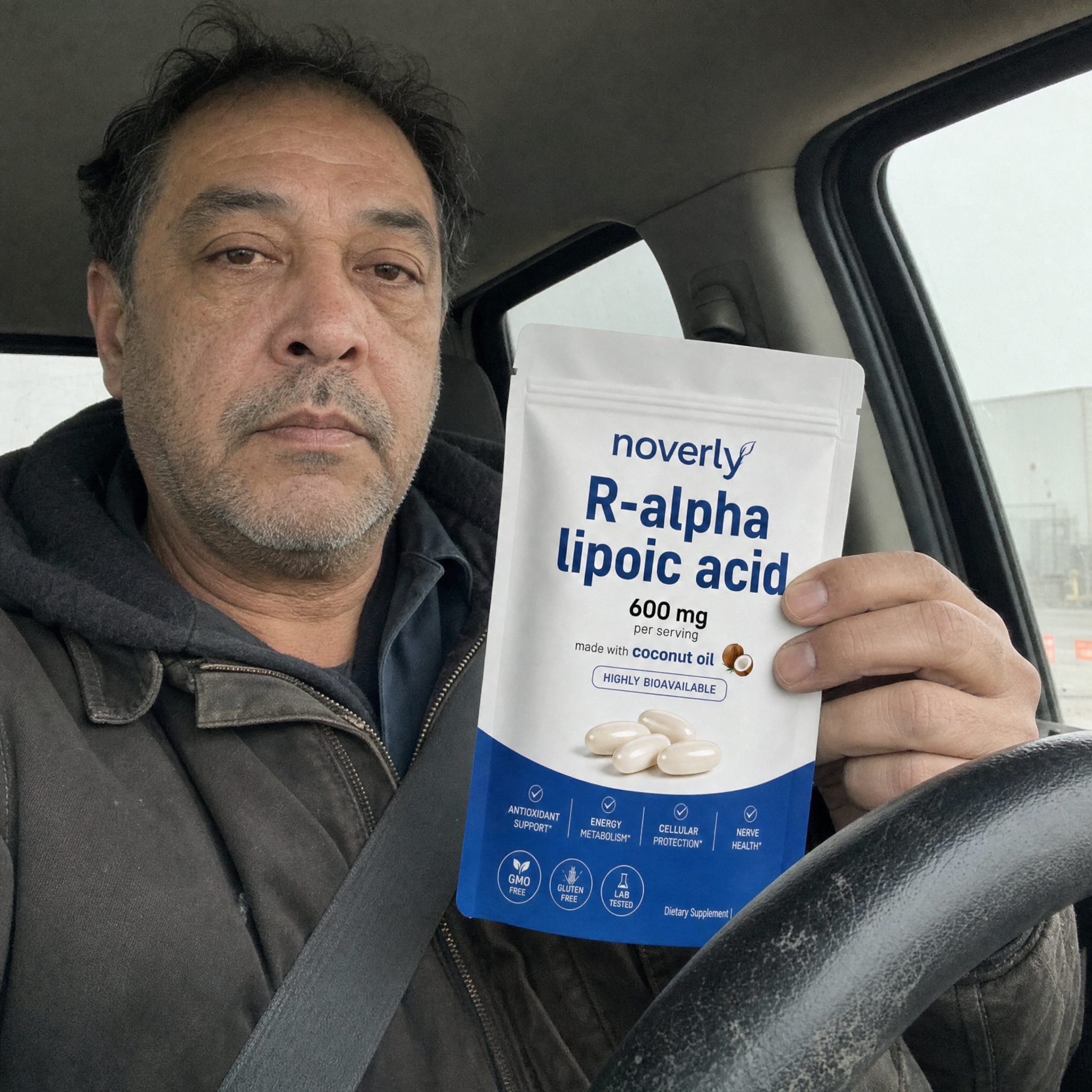
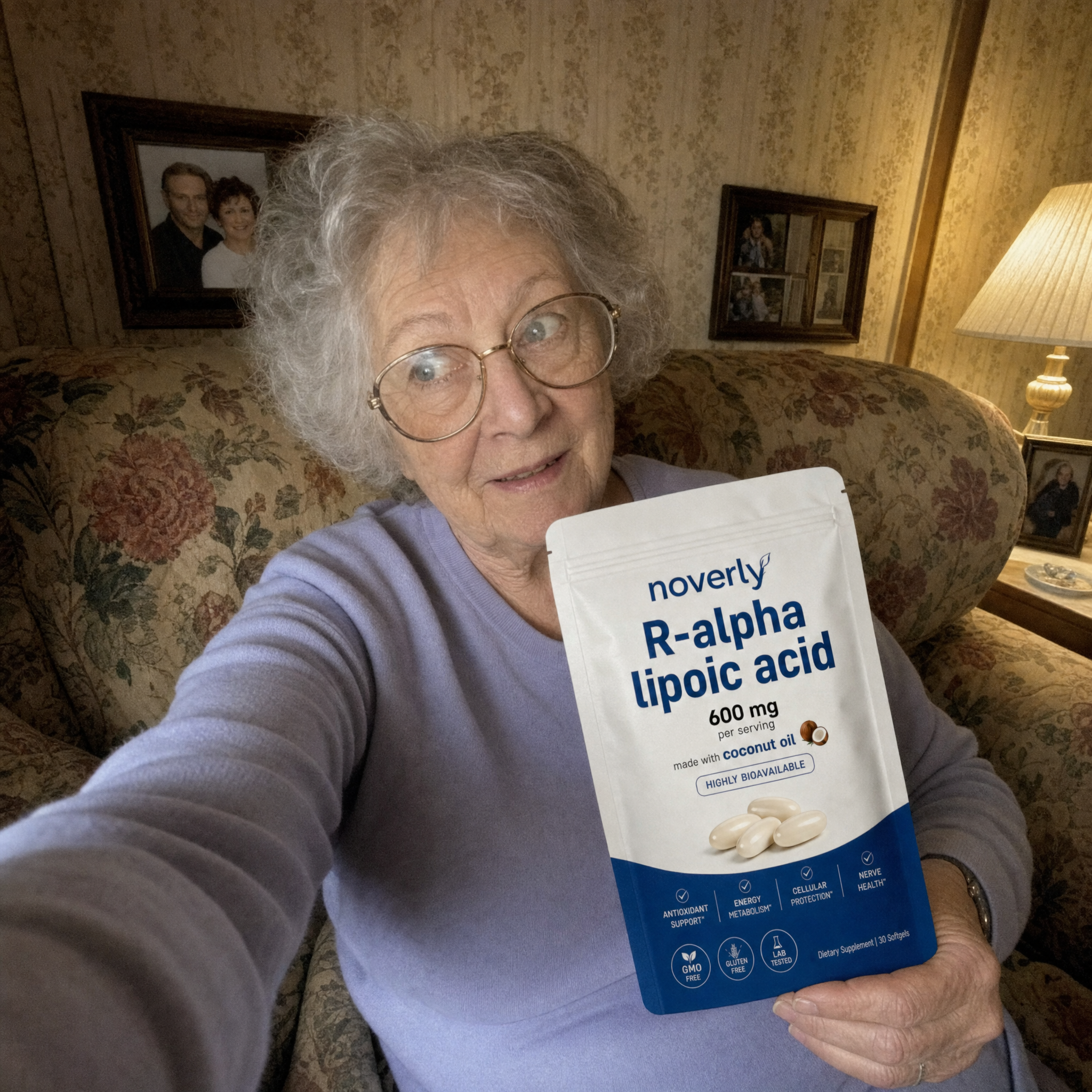
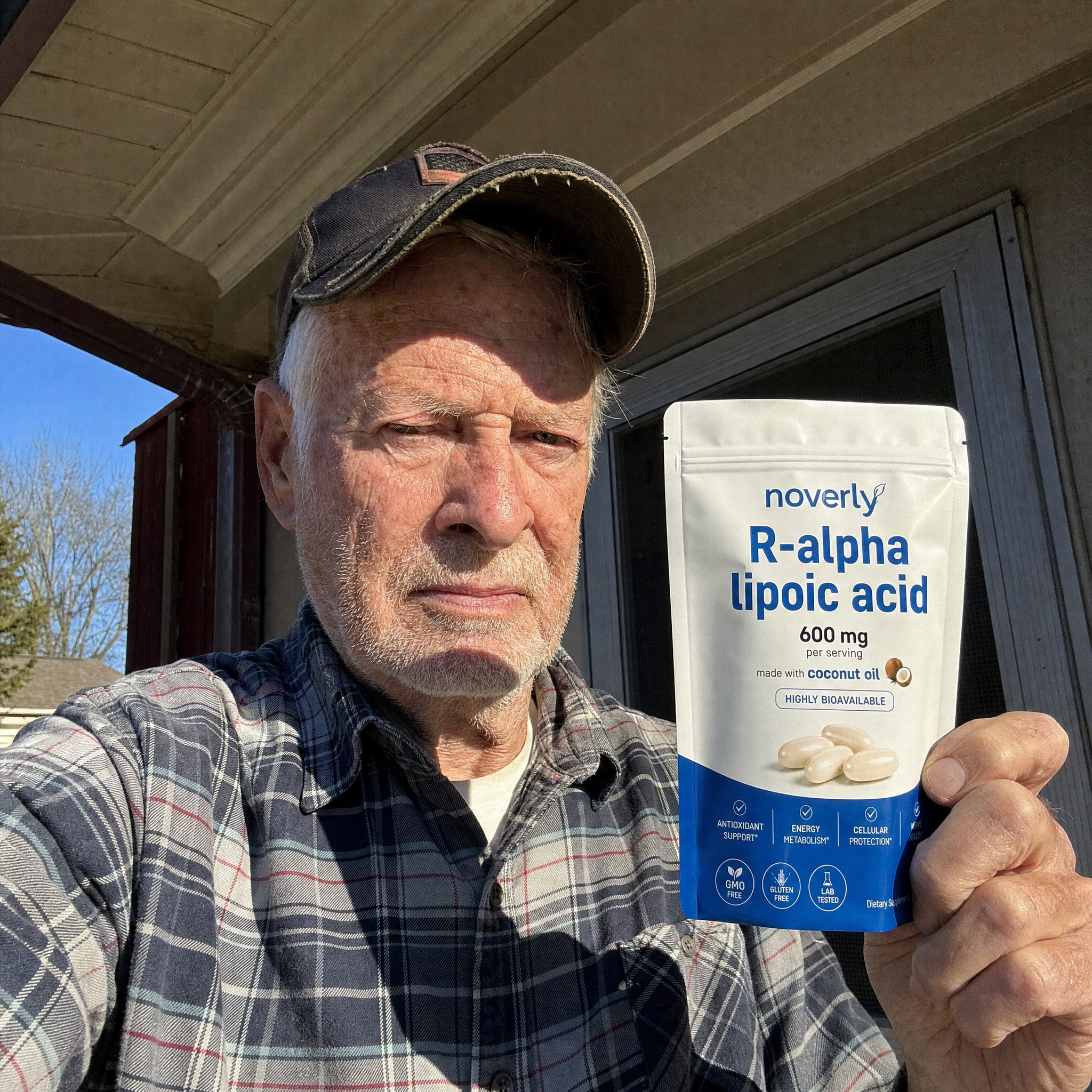
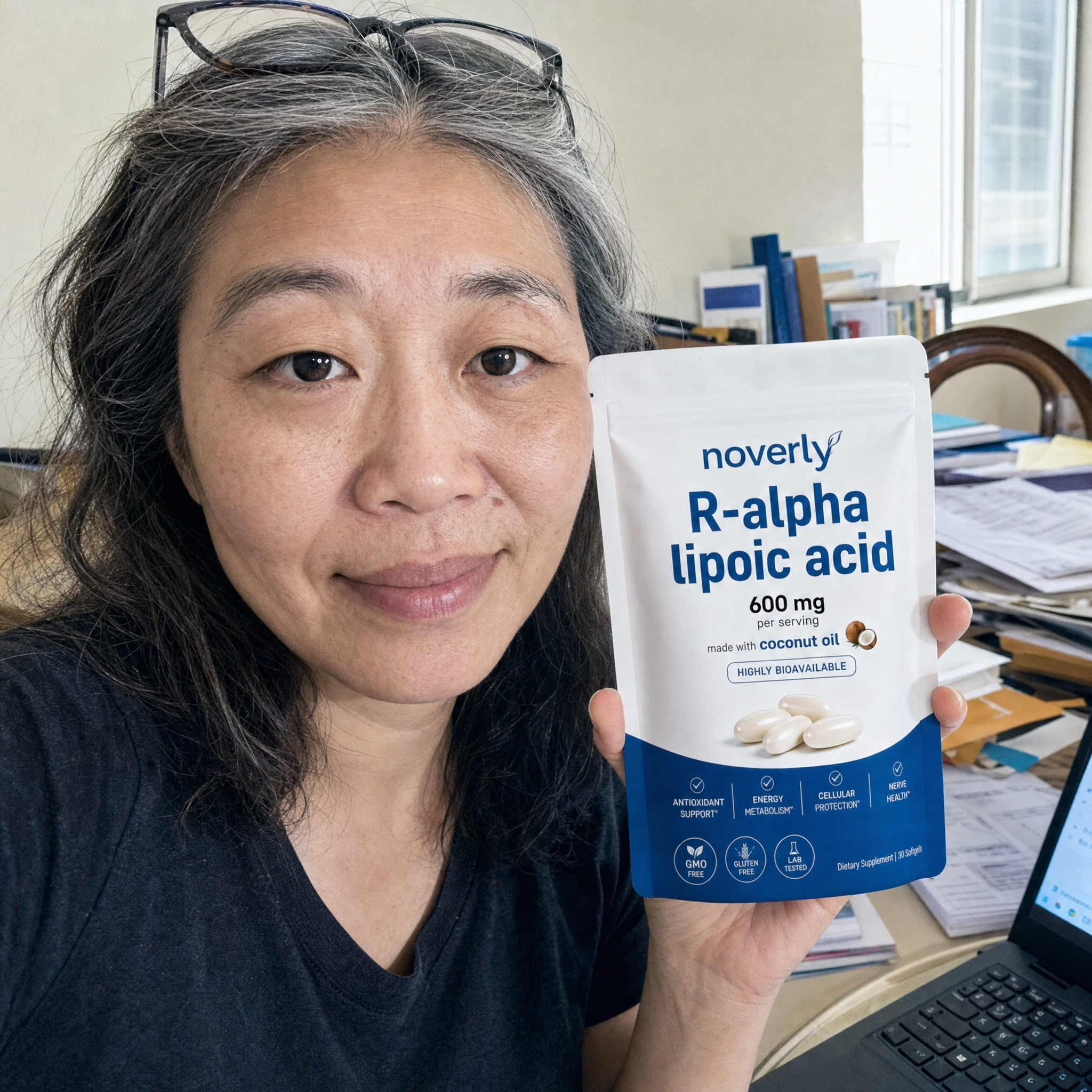
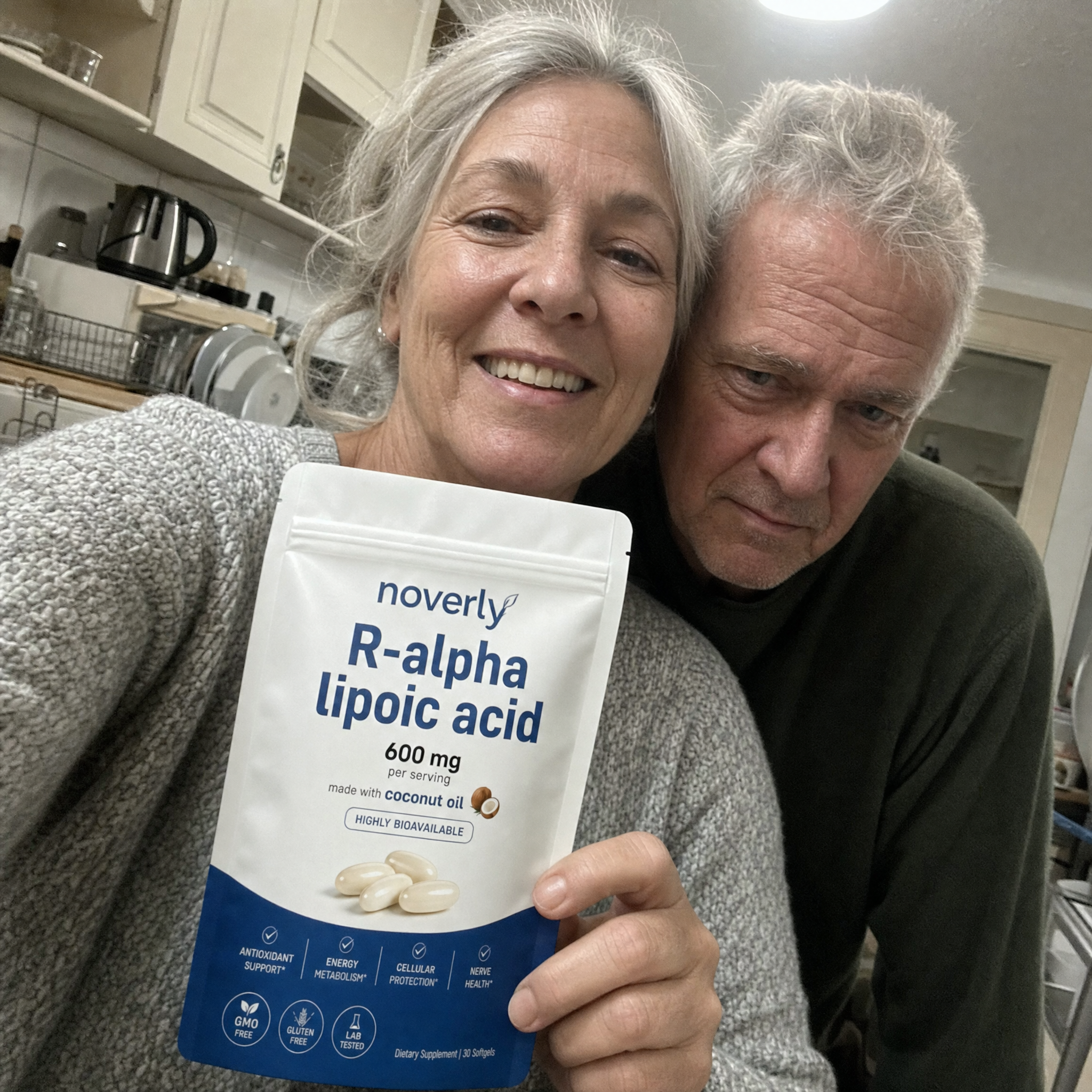
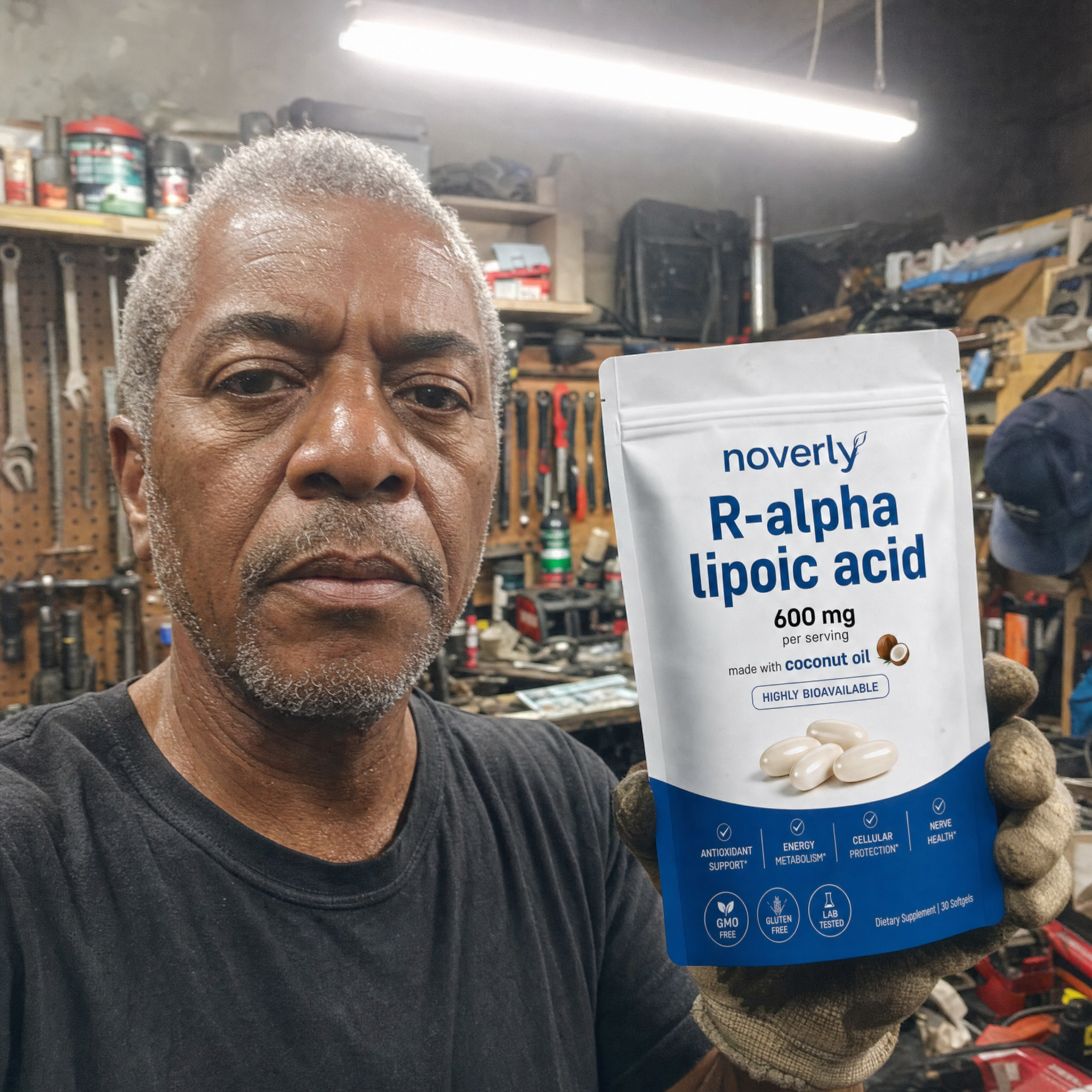
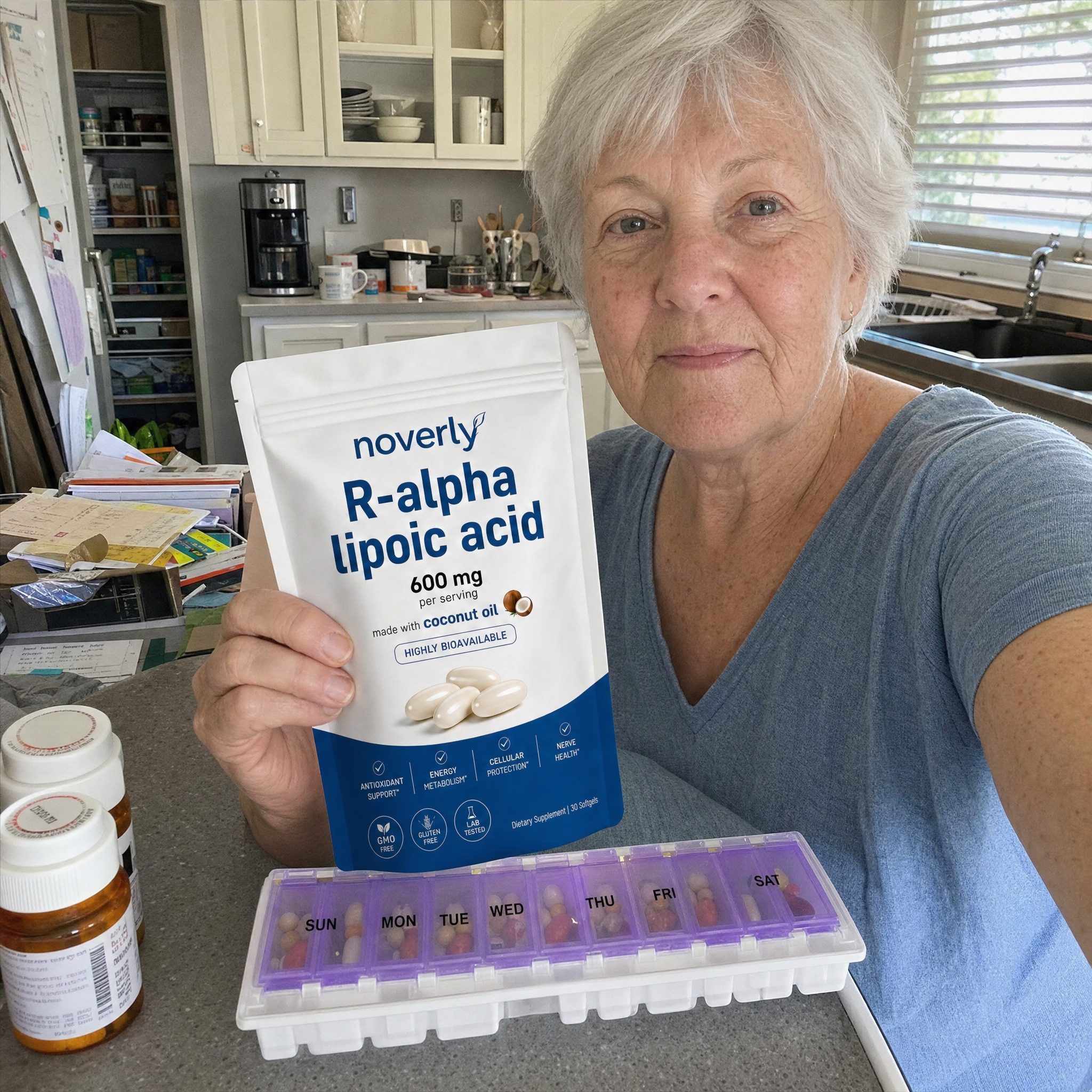
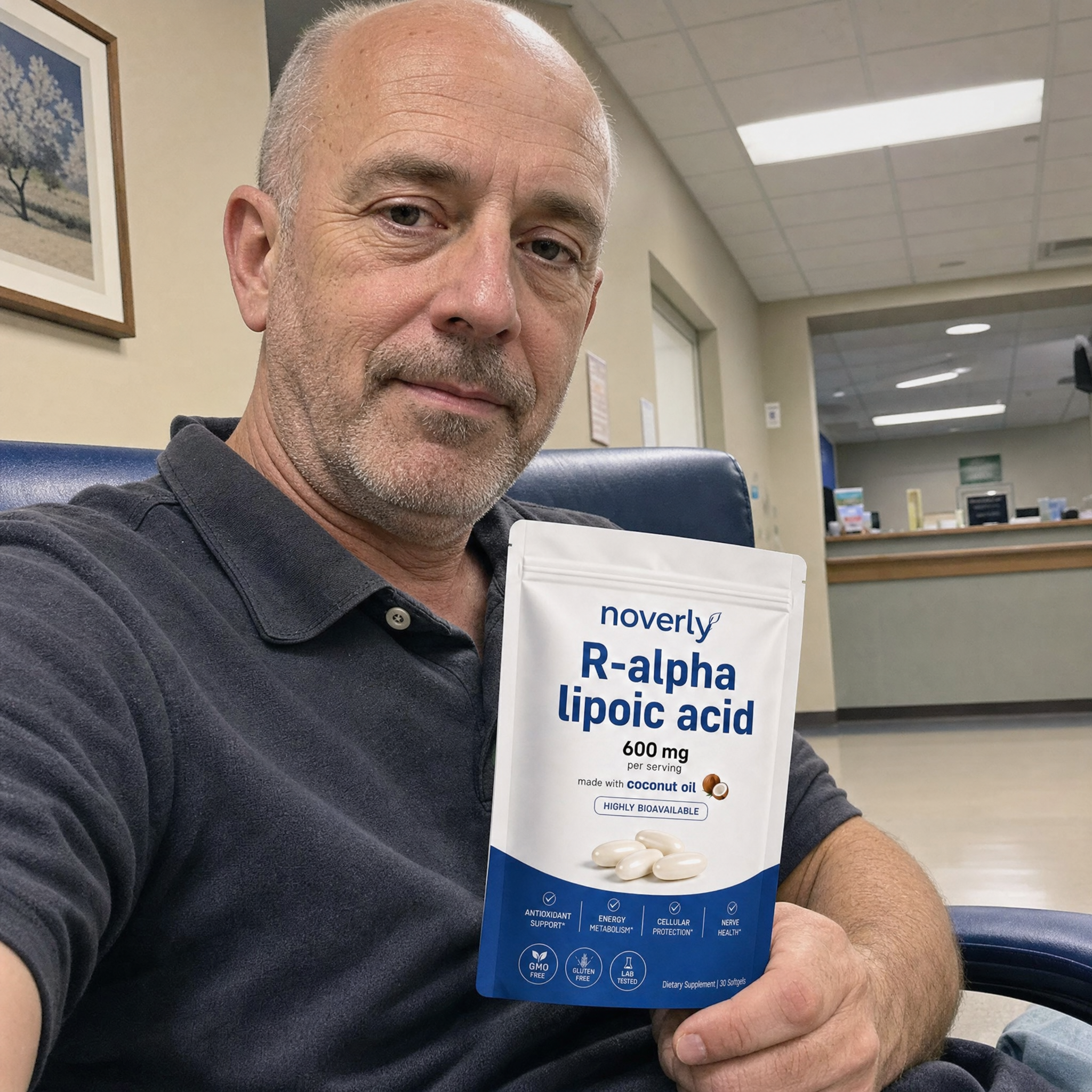
Different kitchens, different numbers, one sentence in common: nobody ever explained to them why the filter was leaking.
Reason #8: 90-Day Money-Back Guarantee

We stand behind every pouch.
Try it for 90 days. If you don't believe it's worth keeping, you get a full refund — no questions asked. Empty pouch included.
No risks. No pressure. No forms.
This offer runs only while supplies last.
Final Call: The Filter Doesn't Wait For Your Next Appointment

If there is foam in the bowl that wasn't there last year, if the protein number has climbed at every visit while the plan stayed the same, if the only thing anyone has offered you is another six months of watching — it is time to point something at the cause.
You are not reversing anything. You are doing the one thing that actually matters: protecting the filter you still have, while you still have it.
For a limited time, get 50% off + Buy 1, Get 1 Free with free shipping on first orders.
Click here to check availability and apply your discount
(Limited stock available due to high demand. Offer expires when the current batch sells out.)
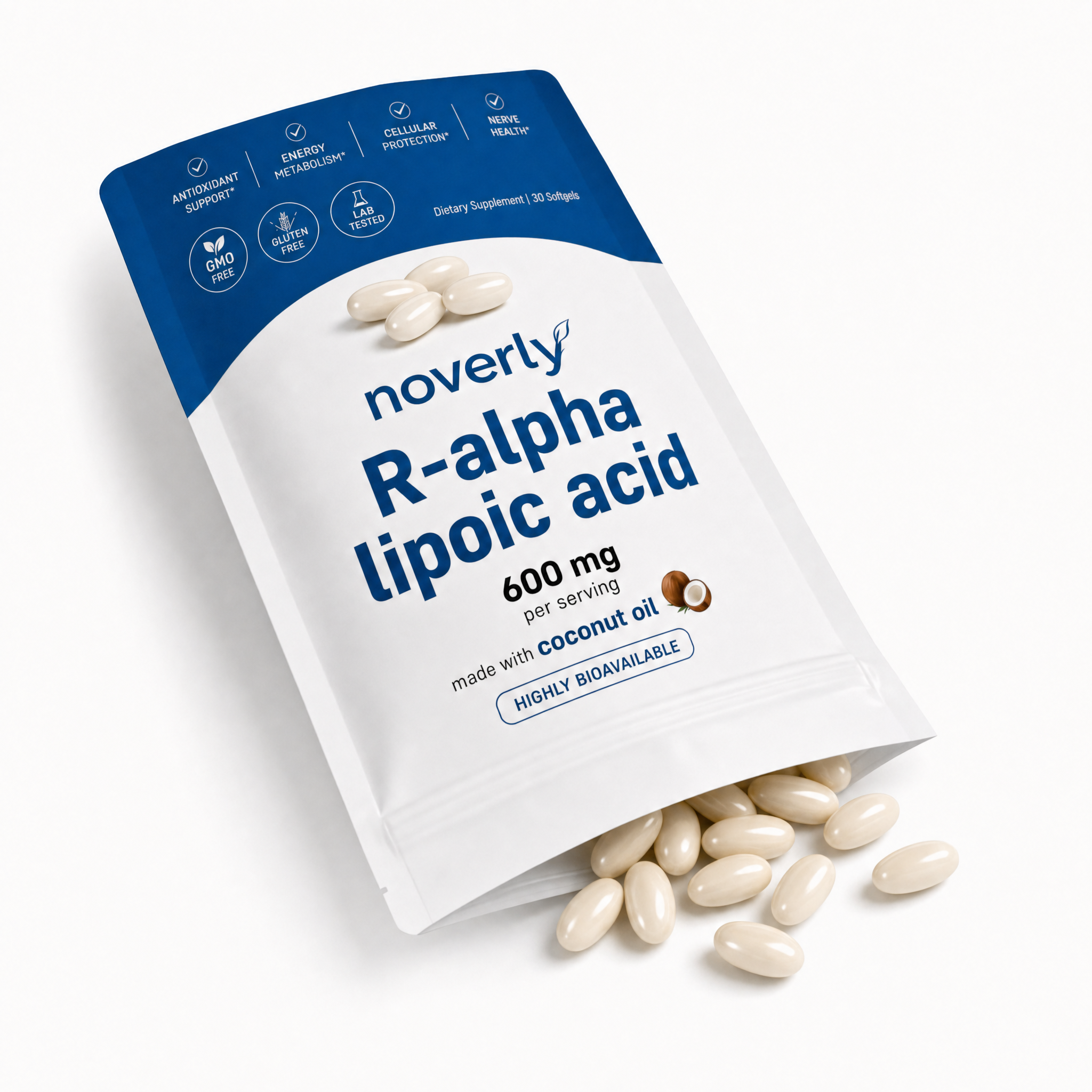
90-Day Guarantee — order with confidence!