Top Cholesterol Researcher: I Found The Real Reason Plaque Keeps Building In Your Arteries On Statins, Diet And Exercise And Nothing Helps
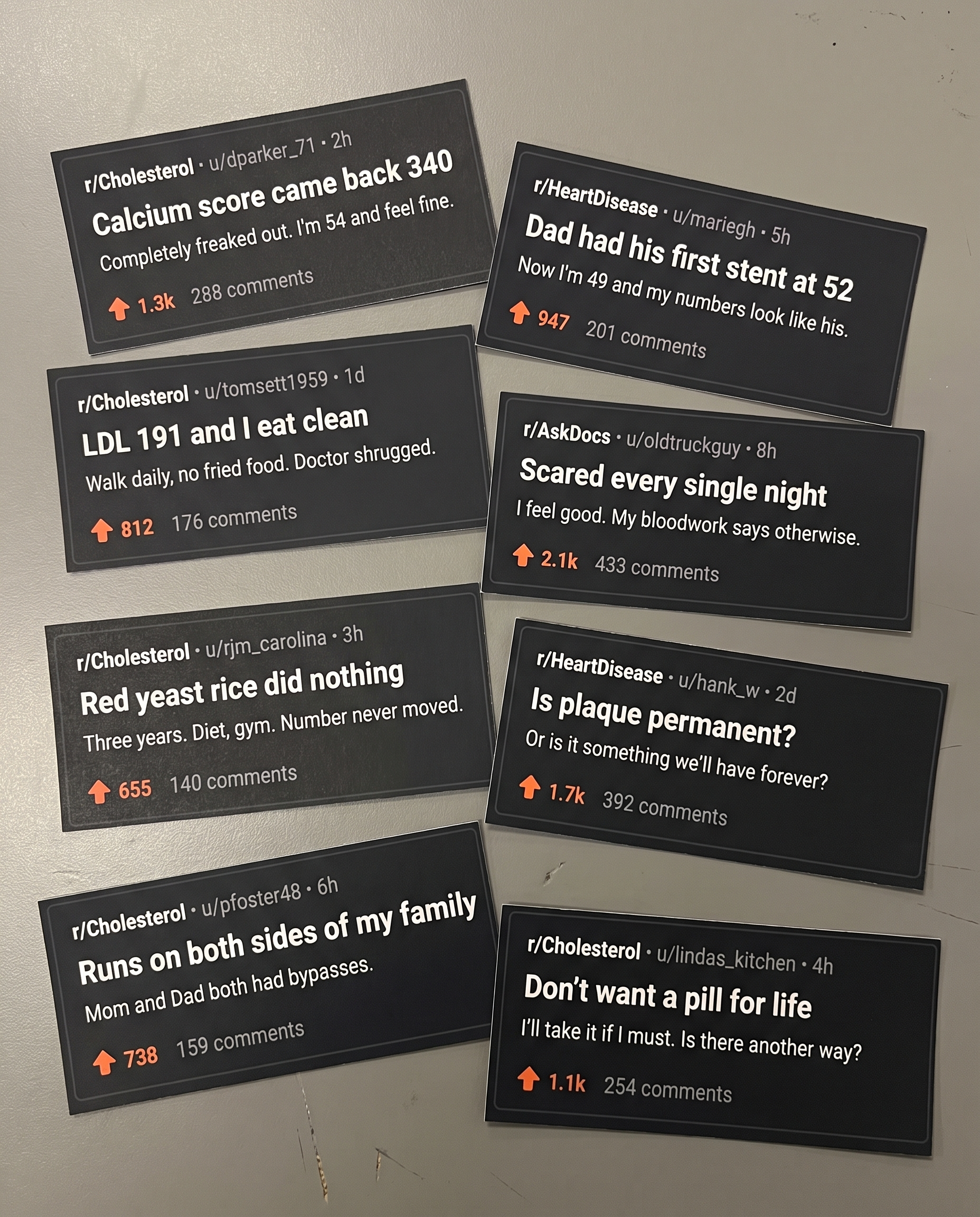
We all kept failing for the same reason. I studied 36,400+ people with heart disease in the family and a cholesterol number that wouldn't behave — and it explained the one thing every statin conversation and cheap nattokinase bottle quietly misses.

A cholesterol number that climbs every year, no matter how clean you eat.
A father who had his heart attack at fifty-eight. A doctor with the prescription pad already out.
And a quiet fear that shows up at every physical.
Nothing works.
And I didn't understand why. It seemed like I was doing everything right — and my numbers only got worse.
I felt cursed. Like my family was just built wrong. Nobody gets what it does to you — how it sits on your chest every night.
For everyone else it's a line on a lab report. For me it was the thing I braced for every time the phone rang.
I felt exactly like that for eight years. Until…
I found 36,400 people living with the exact same fear.
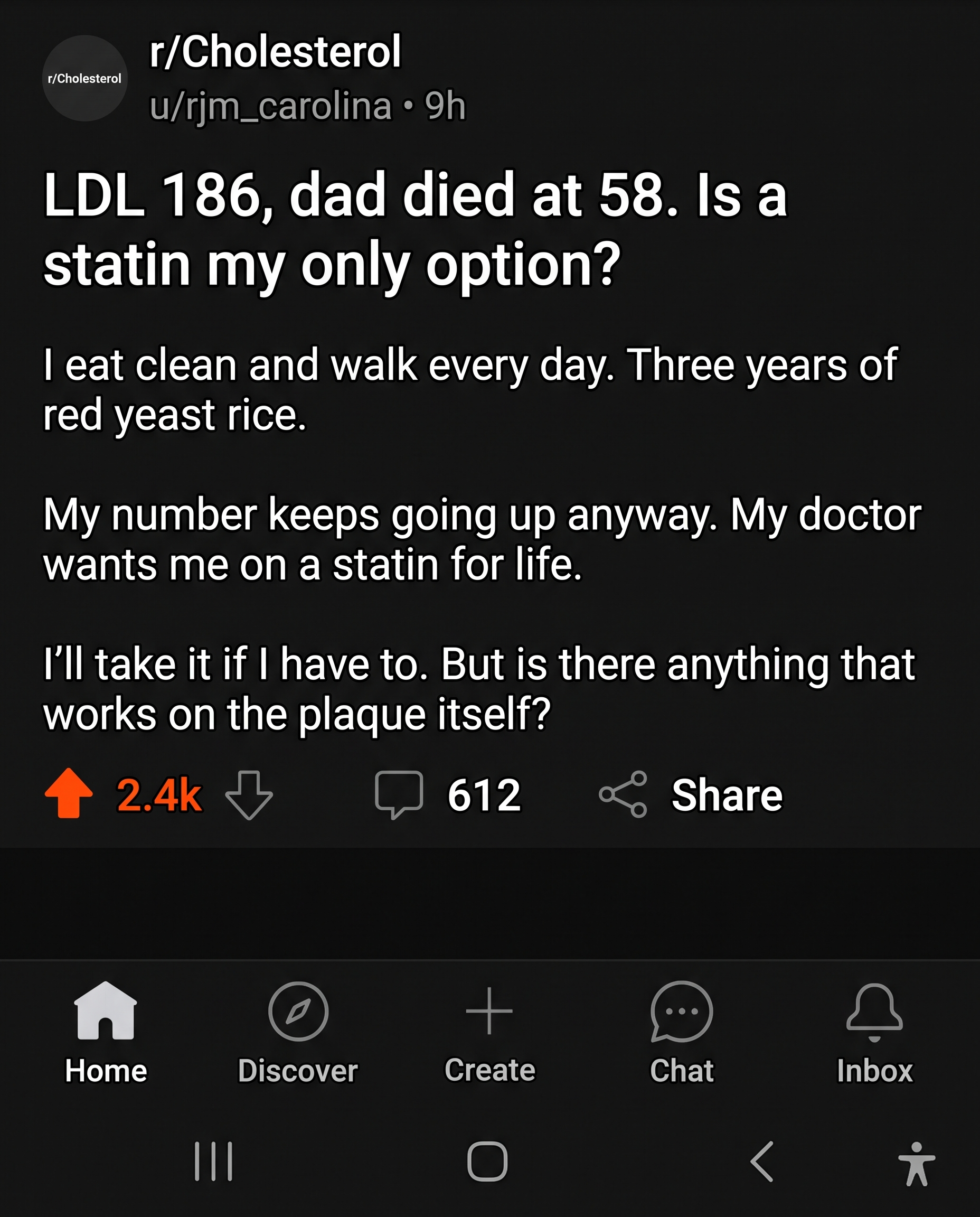
I opened the thread expecting the usual advice. Eat more oatmeal. Walk after dinner. Just take the statin.
Instead I saw thousands of people using my exact words:
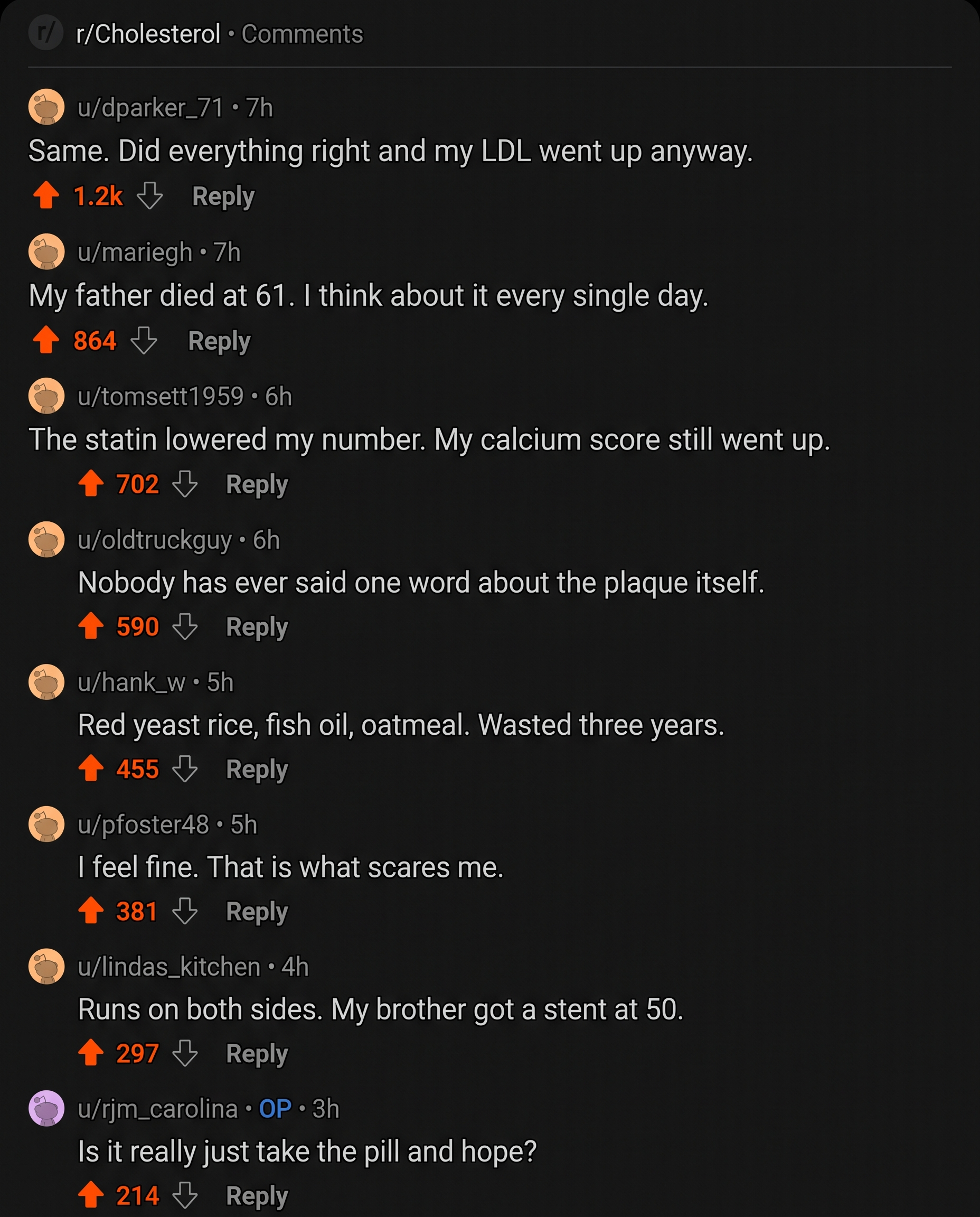
Different people. Different families. But everyone described it with the same words.
Not similar words. The exact same ones.
There was a reason for that. And buried in the replies, one person explained why every single thing we'd tried had failed.
Then I Saw Something That Made No Sense
One reply. No pitch, no product, no explanation — just a few lines, like they were tired of repeating it.
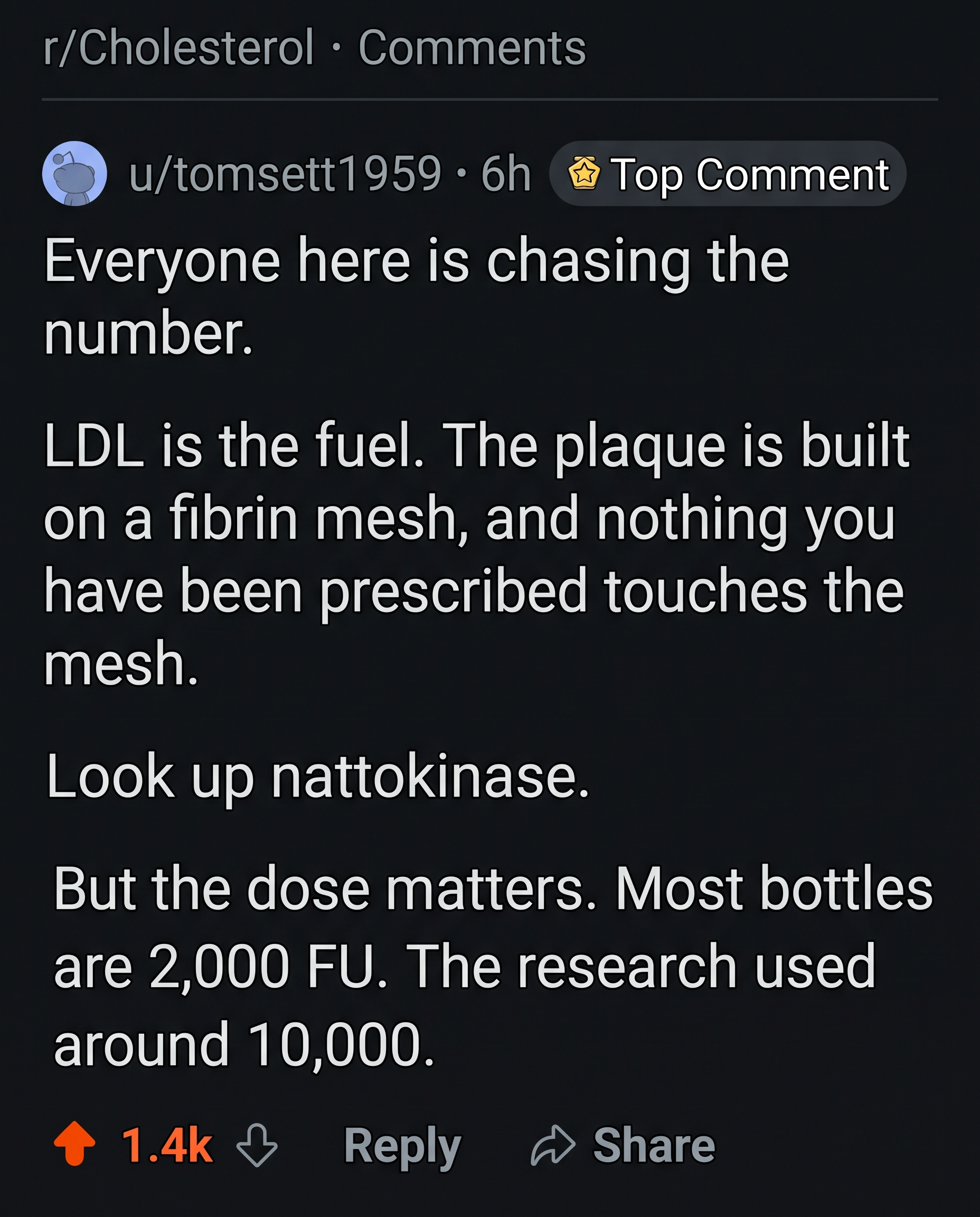
I stared at it for twenty minutes.
A mesh? Not my cholesterol? Not my diet?
I'd spent eight years adjusting my diet. Money on cardiologists. A statin that left my legs aching until we got the dose right. Red yeast rice that did nothing.
And it wasn't any of that — it was a scaffold nobody had ever mentioned to me?
At 2 a.m., I found the research. And it changed everything.
It Wasn't Your Fault. It Was Biology.
In a family like mine, cholesterol doesn't just "clog arteries." It builds on something — three ways at once. I ended up calling it the silent mesh.
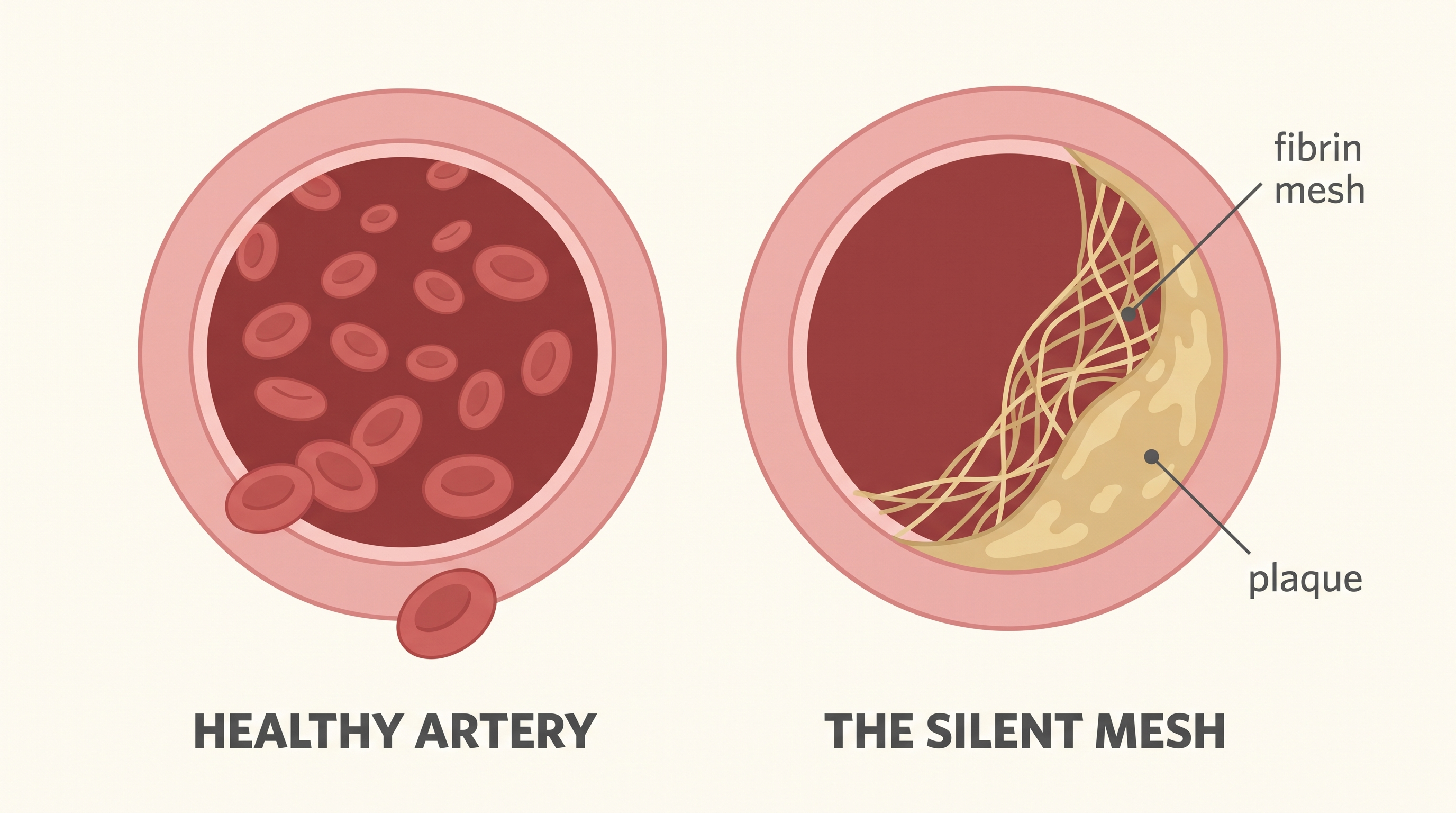
The Three Things The Silent Mesh Was Doing — Simultaneously
1. The Mesh The Plaque Is Built On
LDL lodges in the artery wall, and the body patches the spot with fibrin — a stringy mesh. The plaque hardens around that mesh, layer by layer. That's the part no cholesterol panel ever measures.
2. The Cleanup Crew That Slows Down
Your body has its own enzyme for clearing fibrin, and it slows down with age. After fifty you lay the mesh down faster than you clear it — and when it runs in your family, you start with more fuel feeding it.
3. The Number Everyone Treats Instead
Statins, diets, red yeast rice — every one of them works on the number: how much fuel is in your blood. Not one of them touches the mesh itself. It's like clearing the smoke while the fire keeps burning underneath.
Three problems. One scaffold underneath. All invisible to a plan aimed at the number instead of the structure.
What Didn't Work — And Why
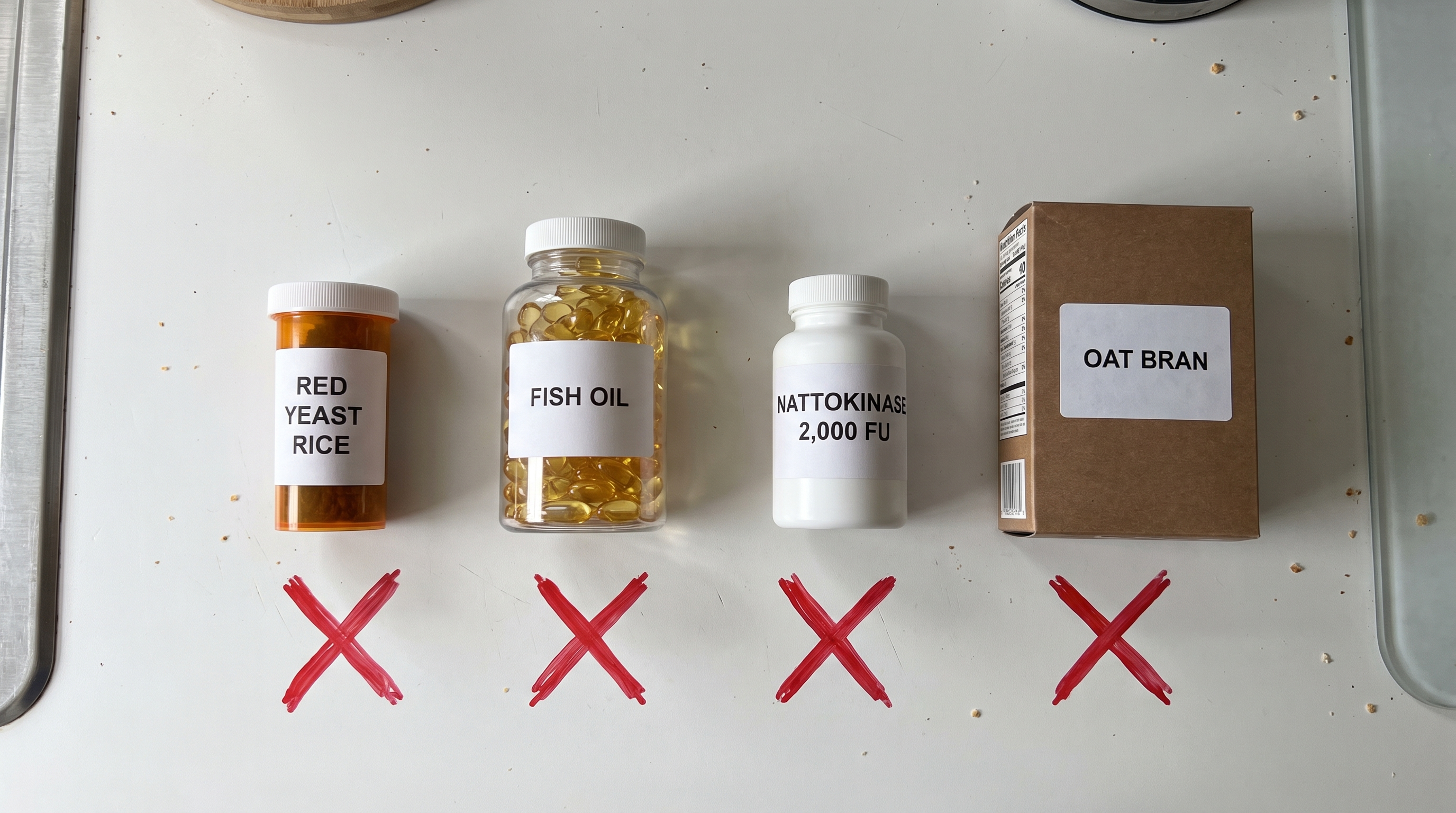
A statin on its own lowered my LDL exactly the way it's supposed to — it's real medicine, and I still take mine. But it works on the fuel. Nobody was doing anything about the mesh underneath.
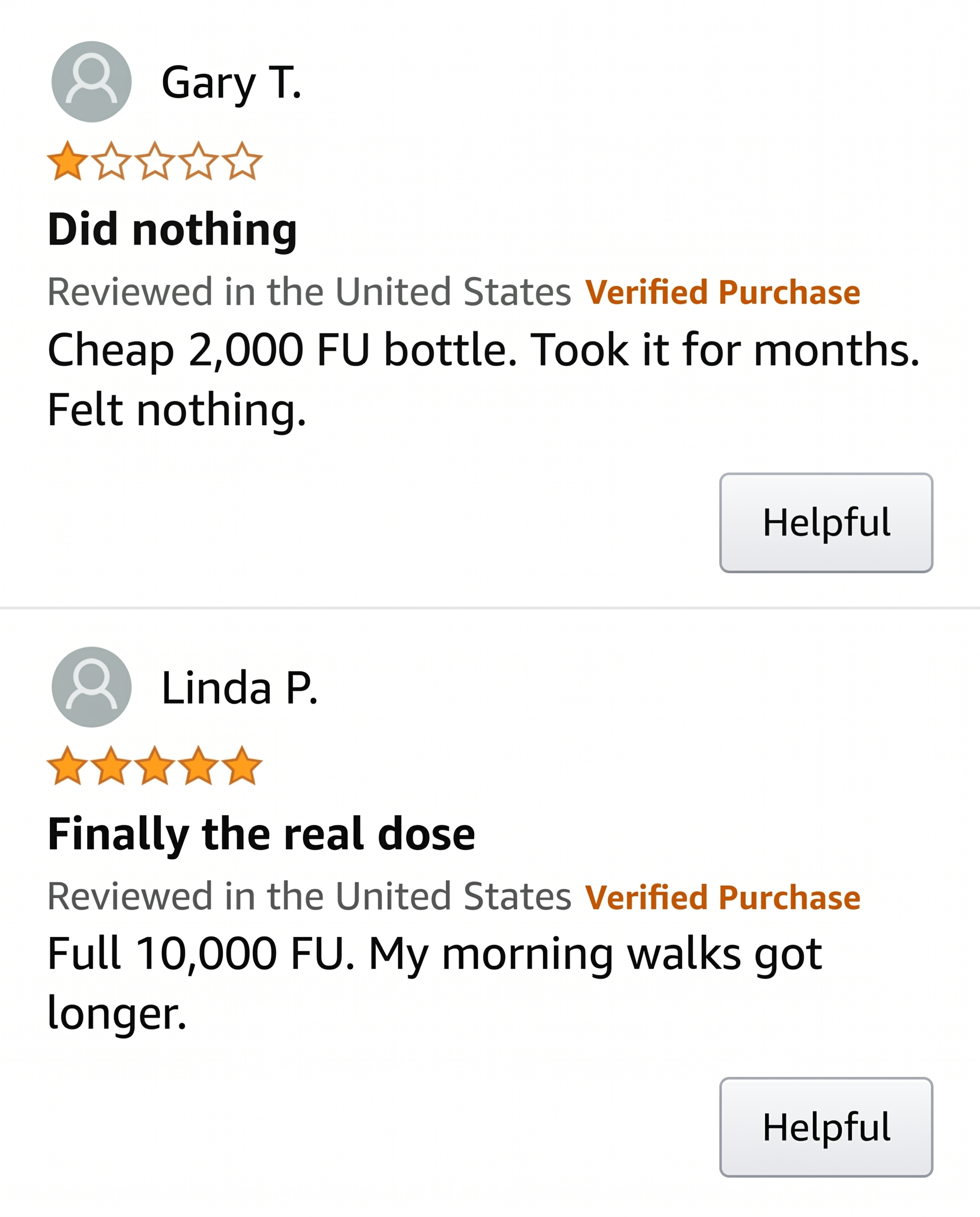
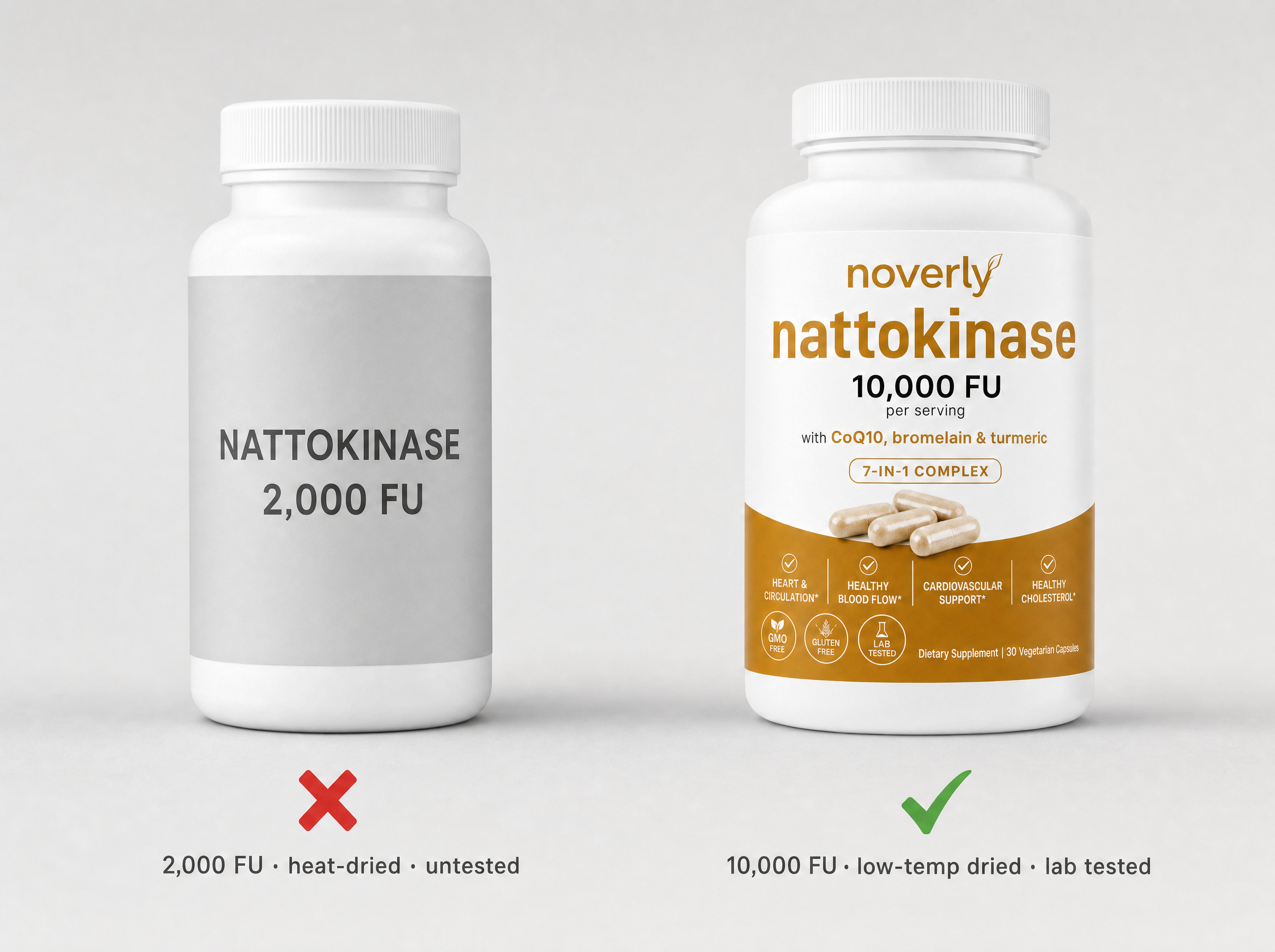
Cheap 2,000 FU nattokinase is a fifth of the dose. You pay for "nattokinase" and get an enzyme too weak to do anything. That's why so many people swear "natto does nothing."
Red yeast rice, fish oil, and oat bran nudged a number at best, without touching the scaffold running all three problems at once.
I Tried To Buy Exactly What I Needed. It Didn't Exist.
So the next morning, I went to buy clinical-strength nattokinase. Or I tried to.
Every bottle I could get my hands on. The cheap 2,000 FU capsules. The "heart health" blends with a dozen extras and no FU on the label. The little underdosed capsules buried in filler.
A few hundred dollars, gone.
And after weeks on them? Nothing I'd stake anything on.
I started second-guessing the whole thing. Maybe I'd read it wrong.
So I went back to the research one more time.
That's when I found what actually works.
The version that actually works isn't just "nattokinase." It's the full 10,000 FU, dried at low temperature so the enzyme is still alive when it reaches you.
2,000 FU bottles are a fifth of the dose. Heat-dried powders arrive with the enzyme already dead. Labels with no FU number won't tell you how much is even in there.
I needed the real thing. So I tracked down a lab that specializes in fermented enzymes — and went to watch how they actually make it.
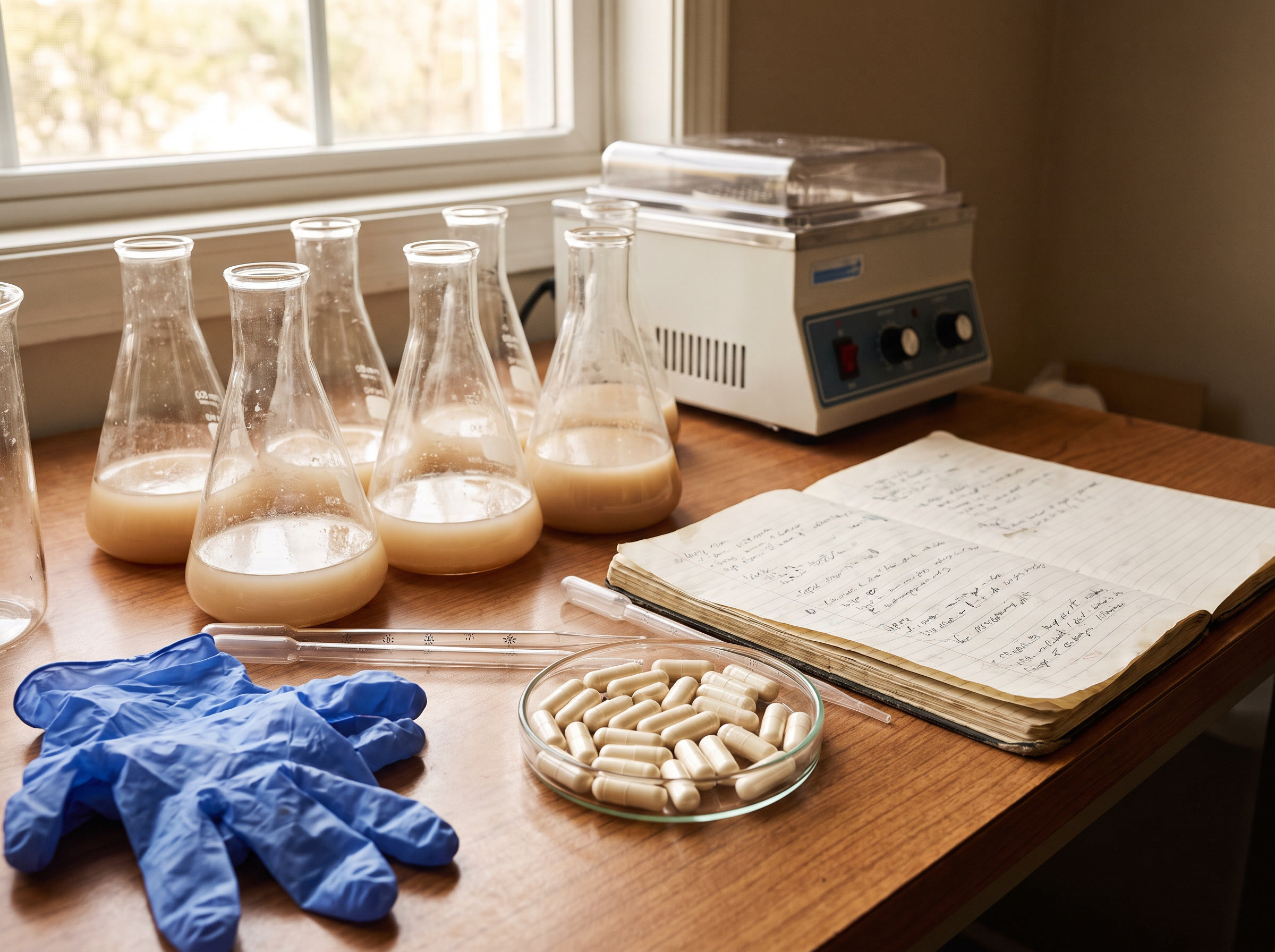
Notebooks full of activity tests that came back low. Batch after batch, tested and retested. Getting a full 10,000 FU of live enzyme — instead of the heat-dried shortcut everyone else ships — took months.
But it worked.
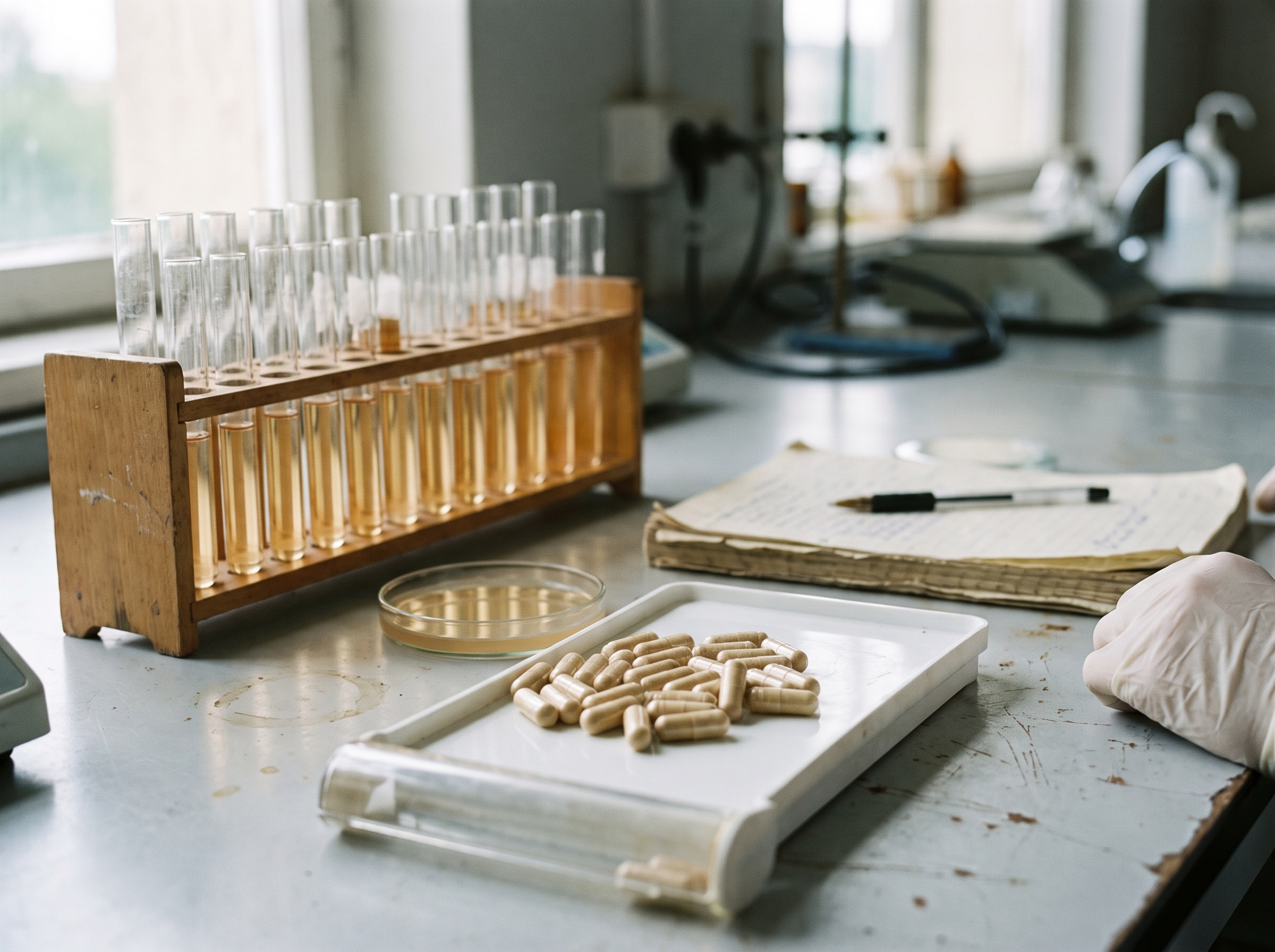
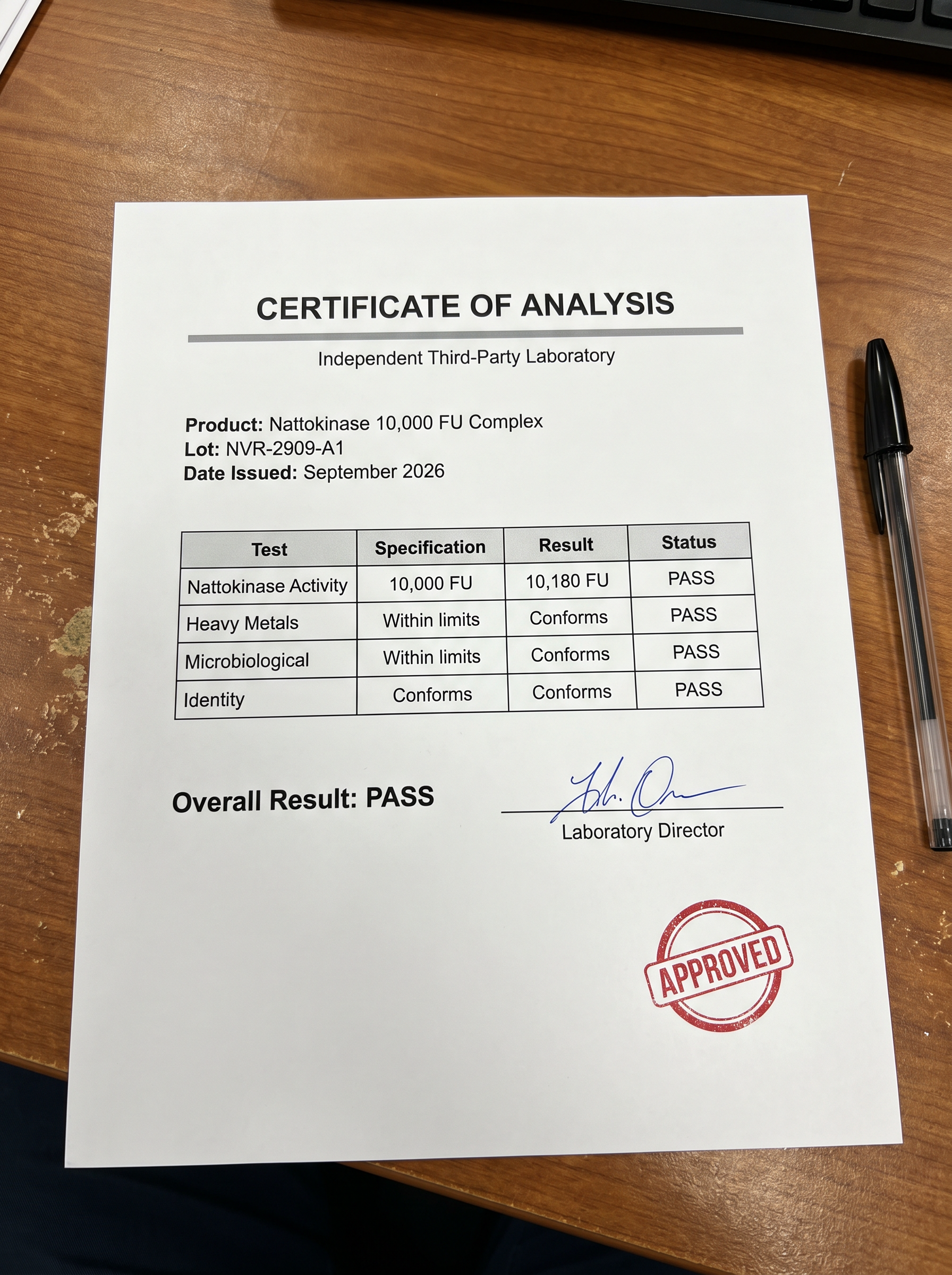
The full 10,000 FU. Dried at low temperature so it stays active. Aged garlic, bromelain, turmeric and CoQ10 alongside it. And every batch third-party tested — so nobody has to take my word for what's inside.
The Night I Finally Tried It. Changed Everything.
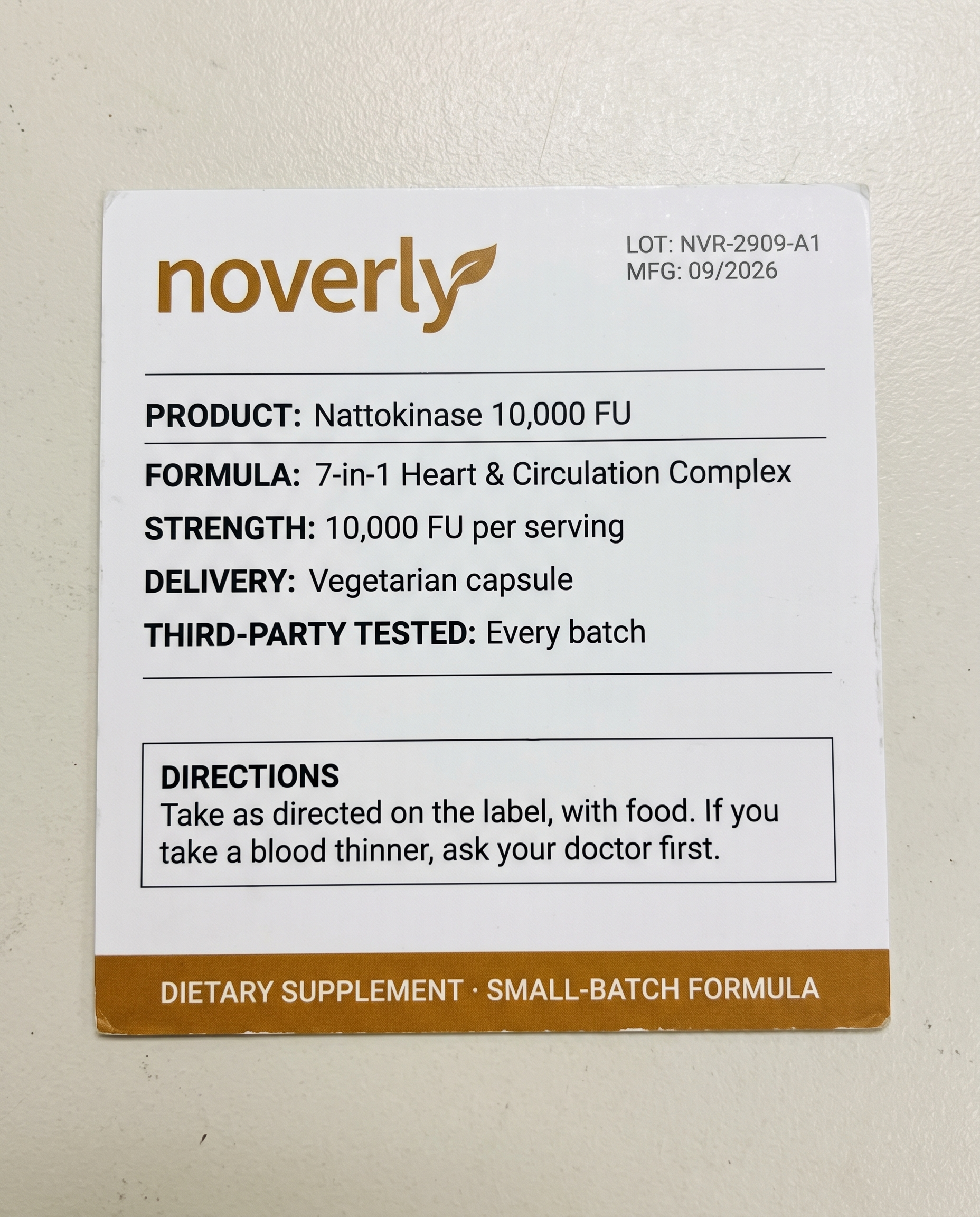
With breakfast, as directed on the label. That's the whole thing.
Nothing I could point to. I didn't let myself believe anything yet — three years of red yeast rice had taught me to wait and see if it held.

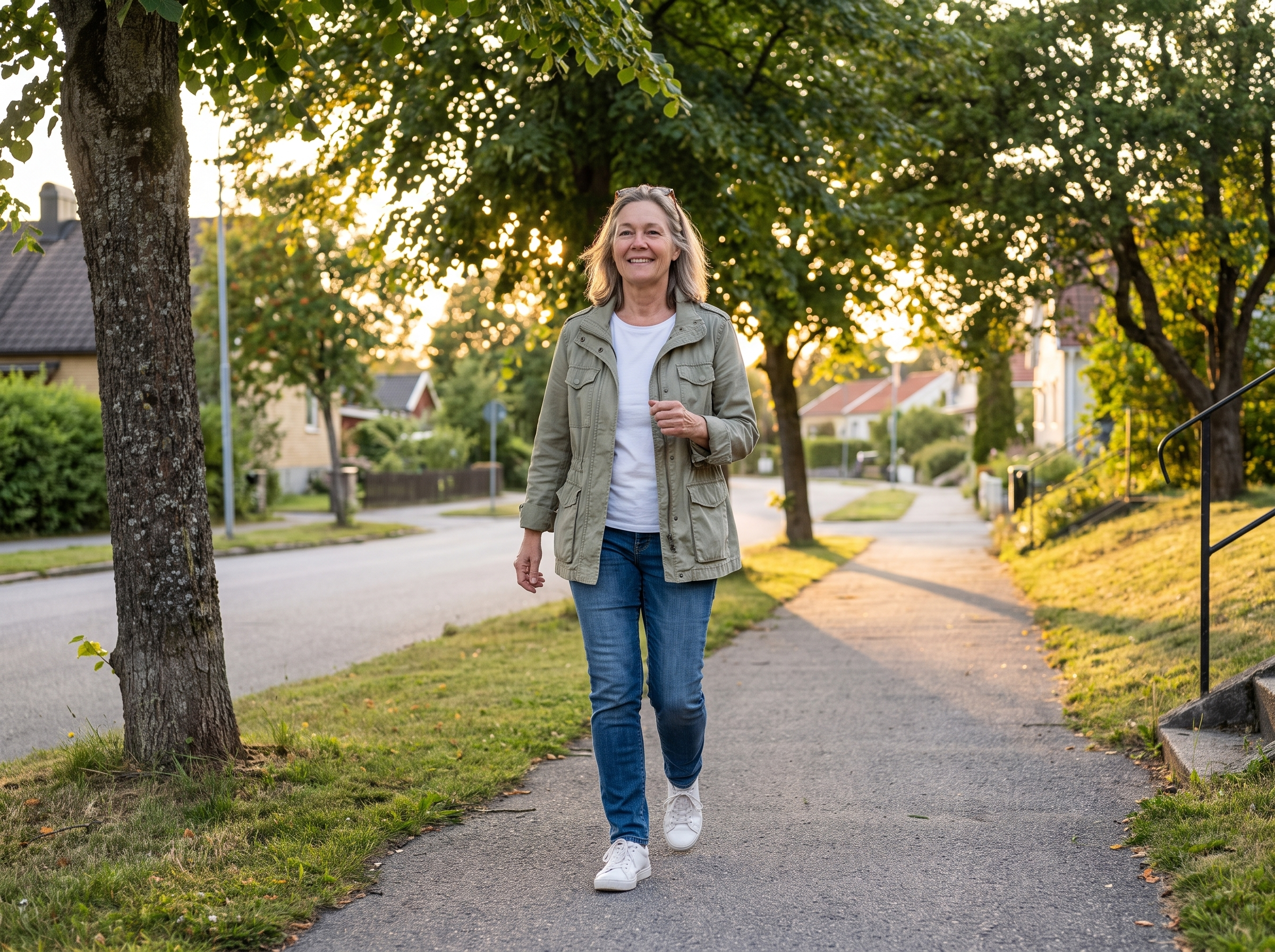
My morning walk felt easier. The hill at the end of my street, the one I'd been quietly slowing down on, I just walked up. That's when I knew it was reaching something deeper than anything else I'd tried.
I stopped lying awake at 2 a.m. doing the math on my father's age. Sounds like nothing. If you've lived it, it's everything.
I slept the whole night through. I texted my sister the next morning: "I think I'm finally doing something about it." She knew exactly what I meant.
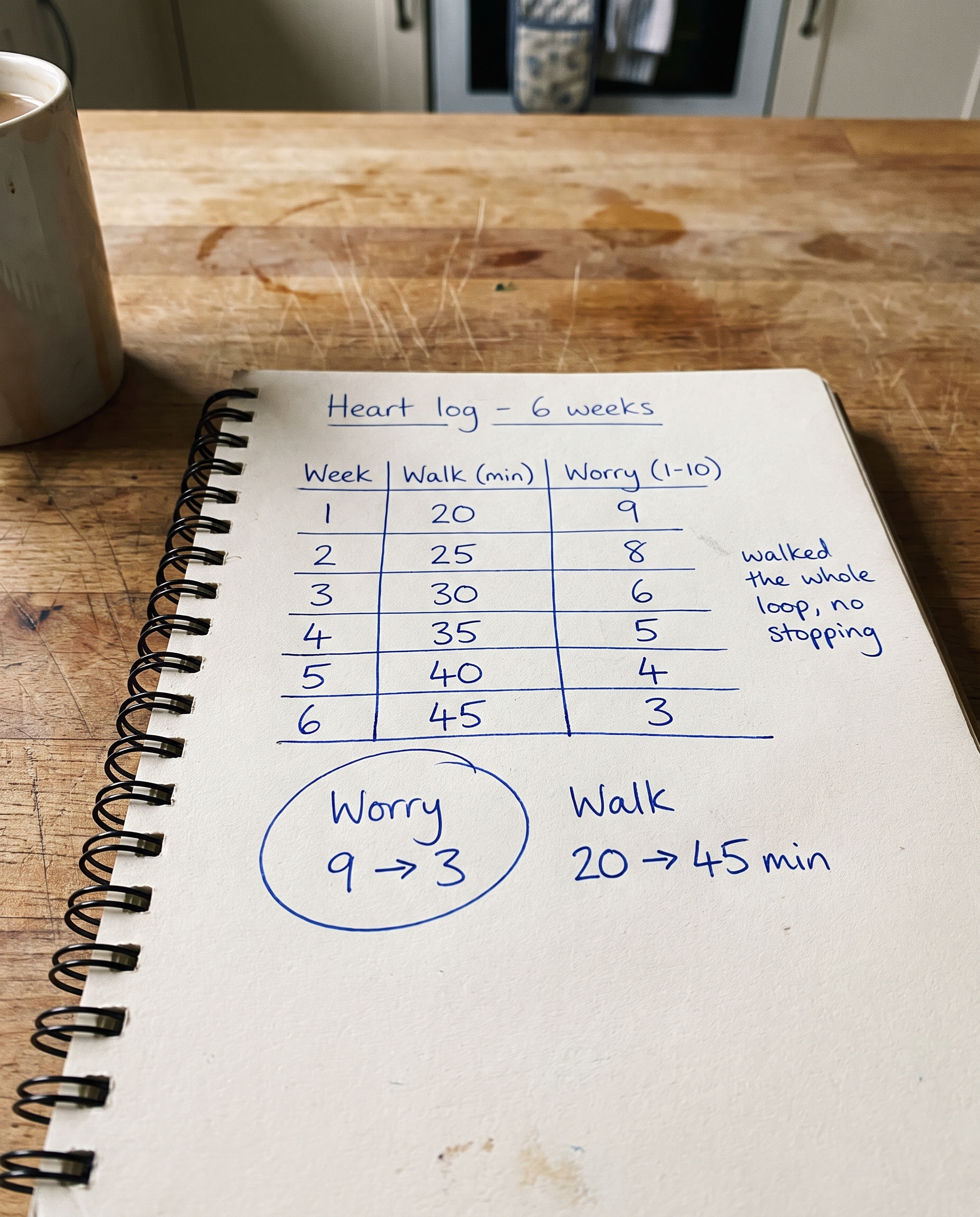
My walks went from twenty minutes to forty-five. The dread stopped following me from room to room. I'd been scoring it in a little notebook the whole way — that heart-attack-waiting-to-happen feeling — and it dropped from a 9 to a 3.
You Can Stop Just Waiting And Hoping. Forever.
Then I did the thing that would either prove I was right or make me look like a fool. I put it out there and told people to test it on themselves.
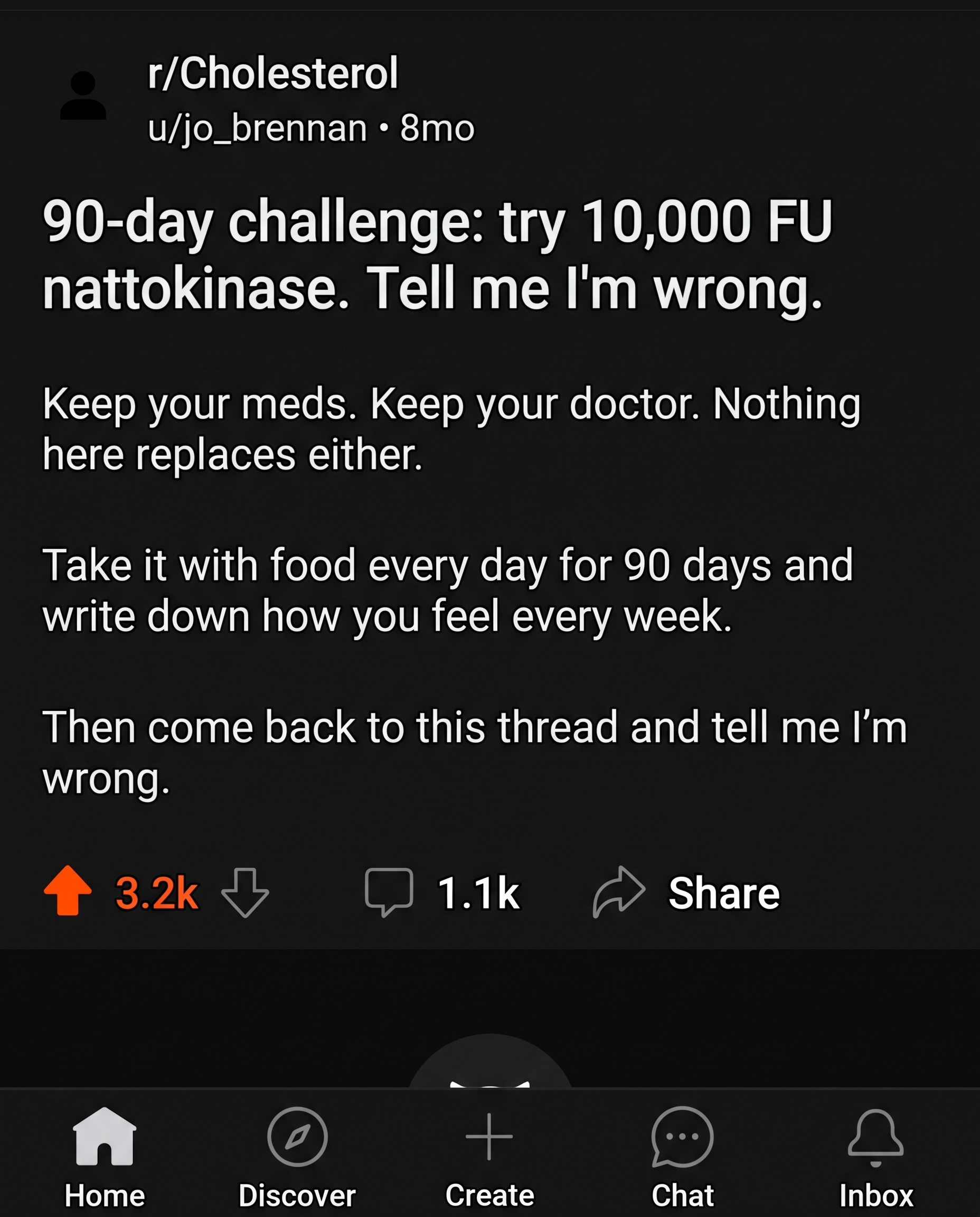
Within a couple weeks, 40 people had tried it. Not one told me I was wrong.
Easier walks. Quieter nights. A checkup they finally didn't dread. The same story, again and again — right alongside the medicine their doctors had them on. Then it was hundreds. Then thousands.
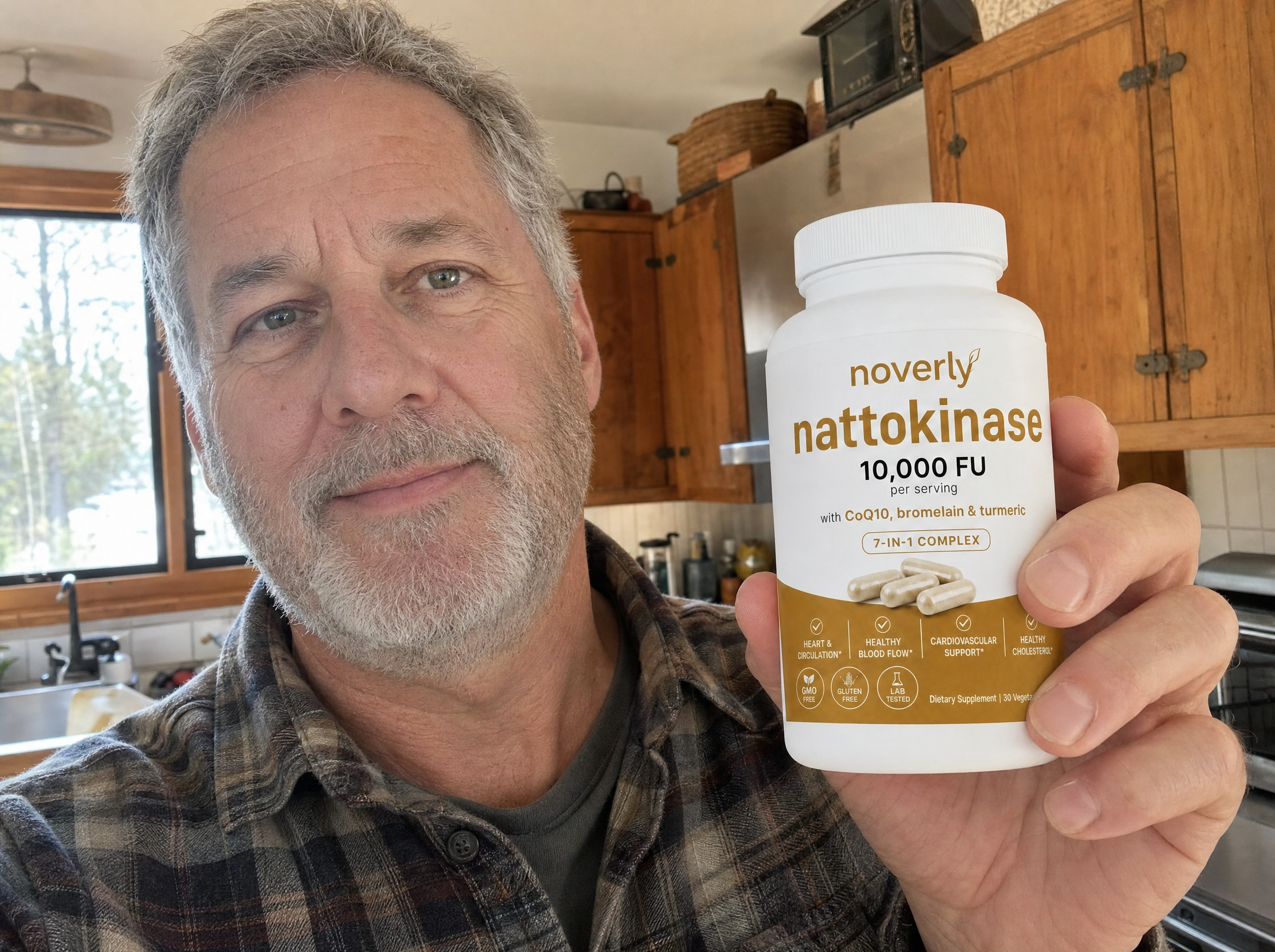
Don't Take My Word For It — Take Theirs
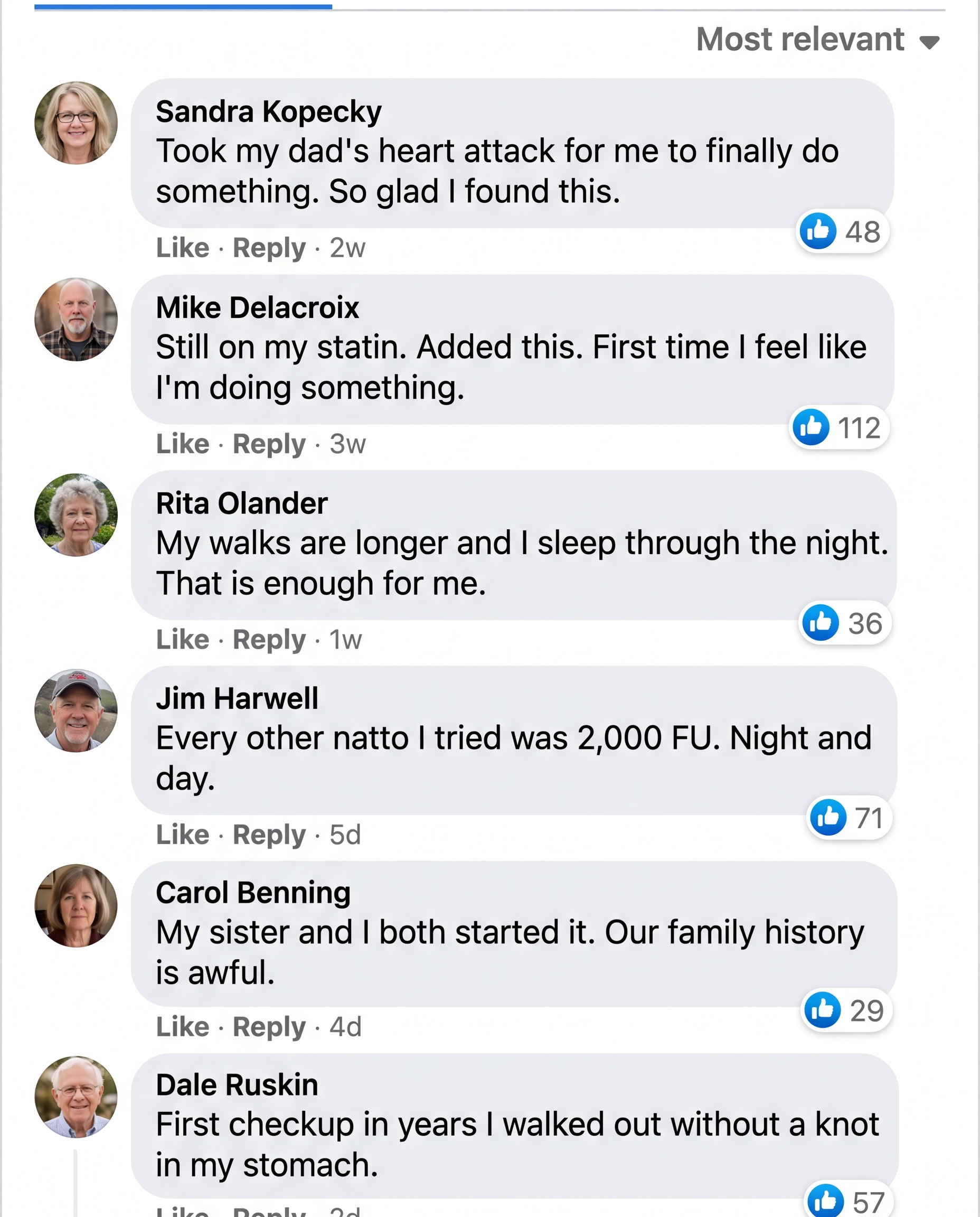
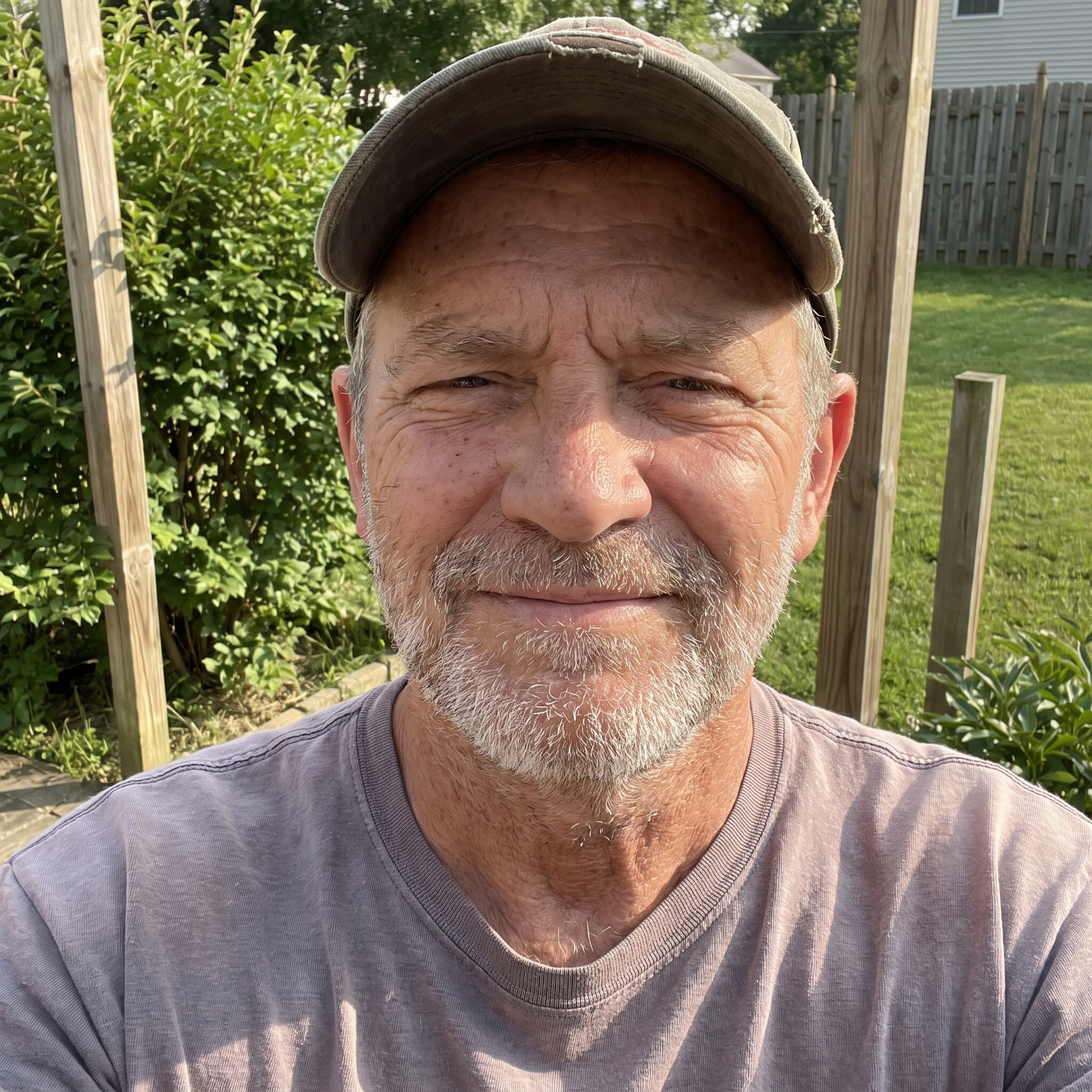
"Three years of red yeast rice, working out, changing my diet — nothing moved. My numbers dropped almost 100 points by my next panel."
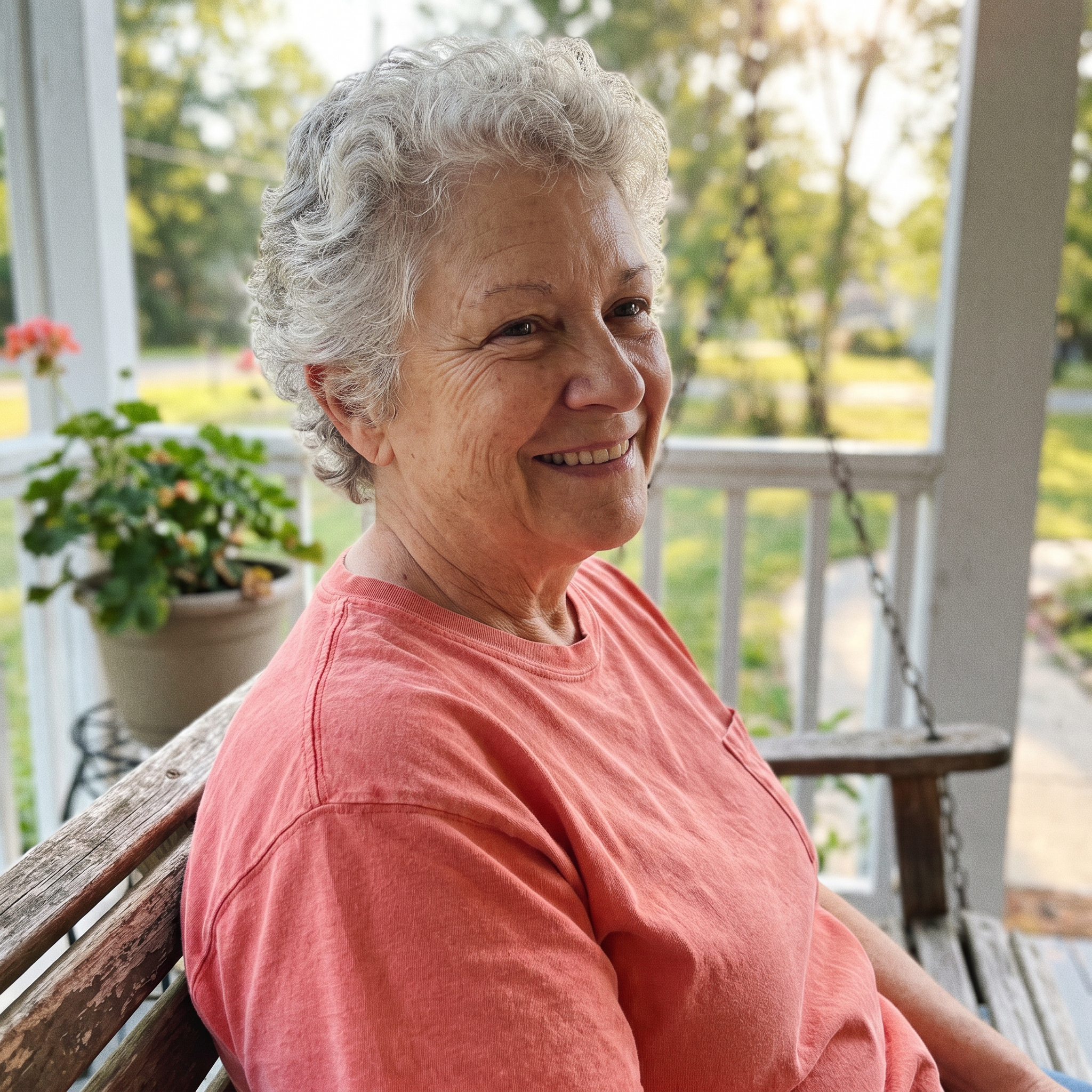
"It runs on both sides of my family. This is the first time I feel like I'm doing something instead of waiting."
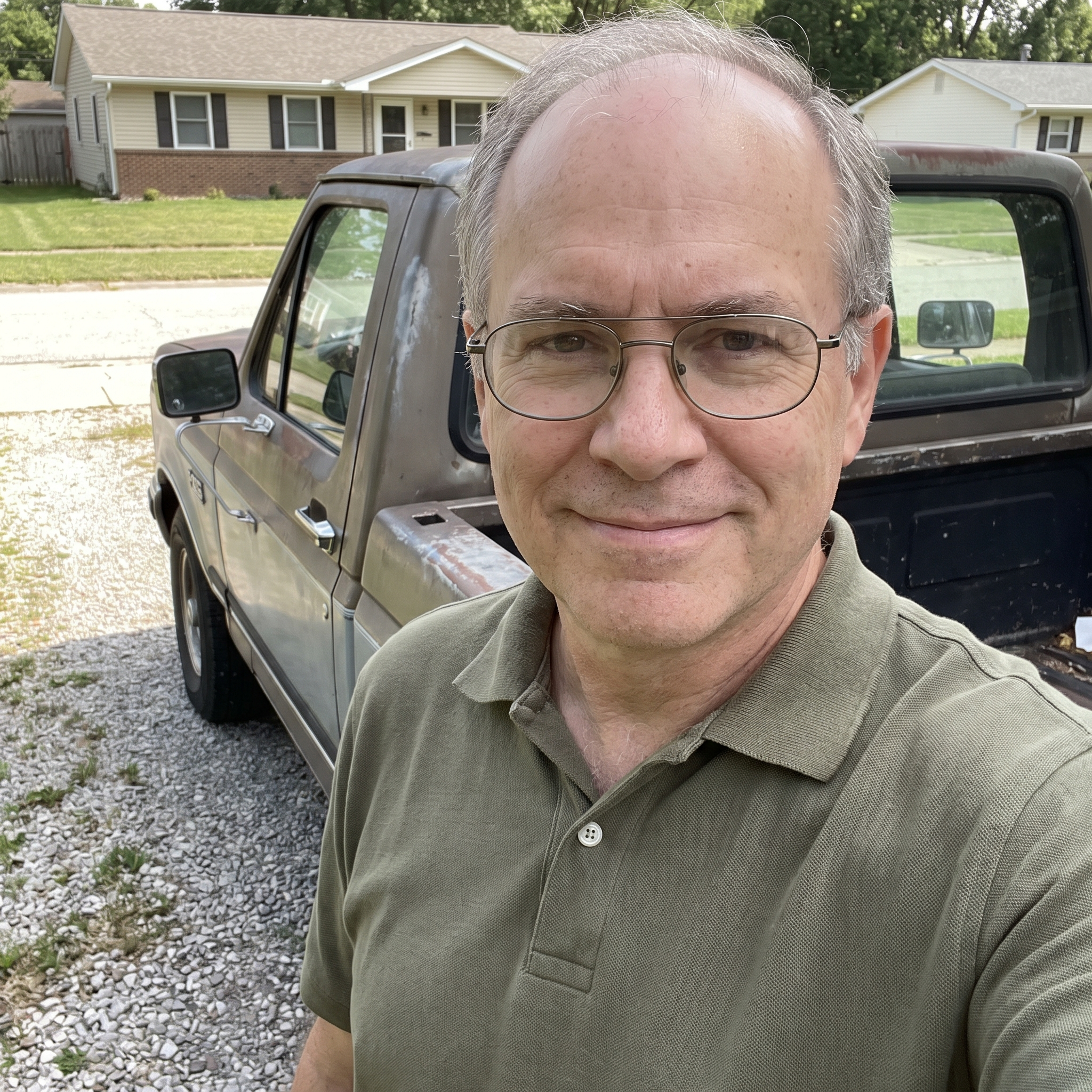
"Cheap 2,000 FU natto off Amazon did nothing. This was different — my morning walks got a lot longer."
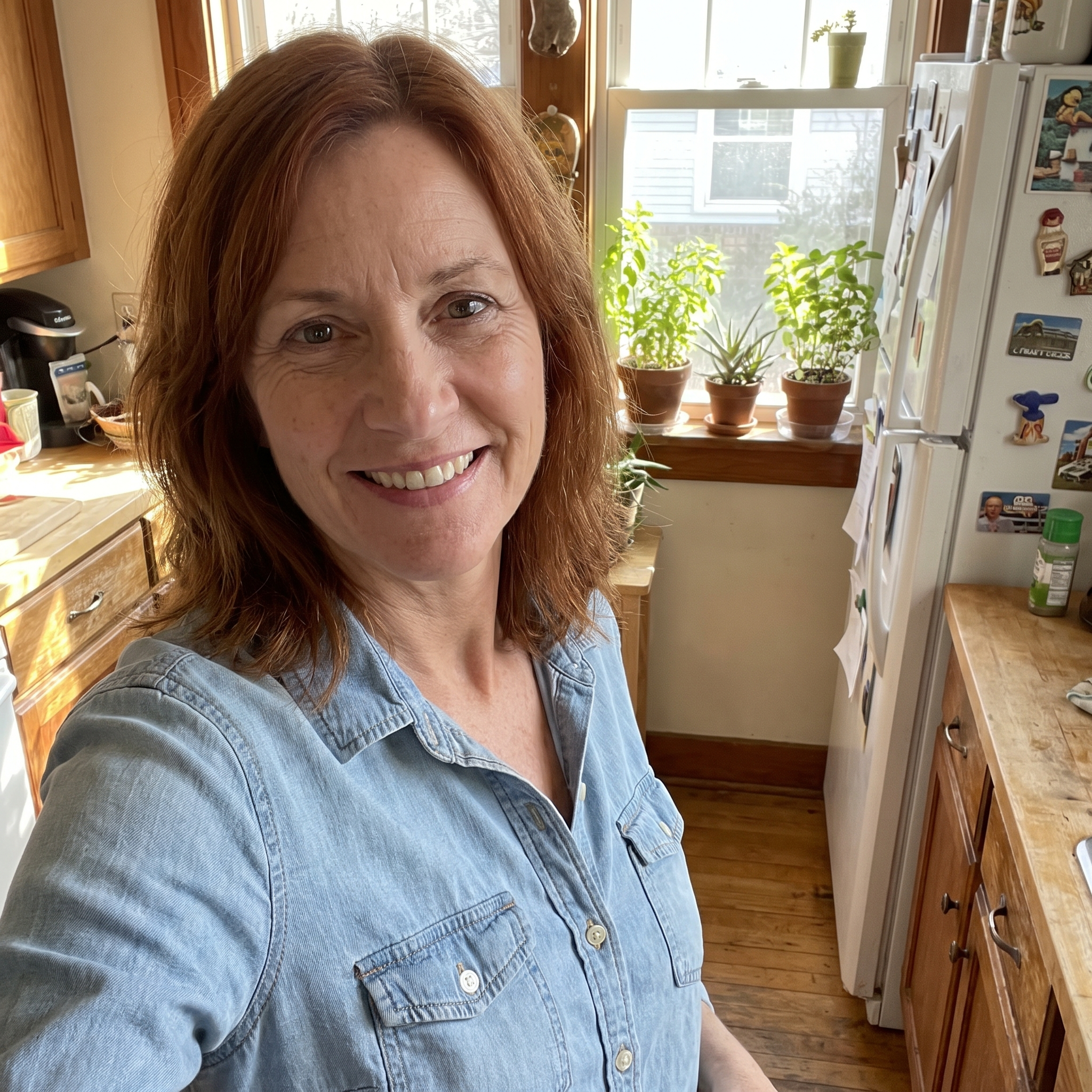
"My husband noticed before I did — I'd stopped checking my pulse every night before bed."
You Have Two Choices Right Now
Keep going as-is
Another year of watching the number. Another cheap bottle that's a fifth of the dose. More nights doing the math on your father's age, while the scaffold keeps building underneath.
Try the full 10,000 FU
The dose the research used, dried at low temperature, third-party tested — taken daily for 90 days alongside whatever your doctor has you on, with the risk entirely on us.
I'm Not Selling You Hype. I'm Showing You What Worked.
Try Noverly Nattokinase 10,000 FU for 90 days. If it doesn't move anything — if you still feel like you're just waiting for your turn — send it back. Even if the bottle is empty. Full refund. No questions.
- 10,000 FU per serving — clinical strength, not the 2,000 FU most bottles hide behind.
- Dried at low temperature so the enzyme is still active, not cooked.
- Aged garlic, bromelain, turmeric and CoQ10 alongside it — a whole team, not one lonely ingredient.
- Third-party tested every batch — independent proof, not "just trust us."
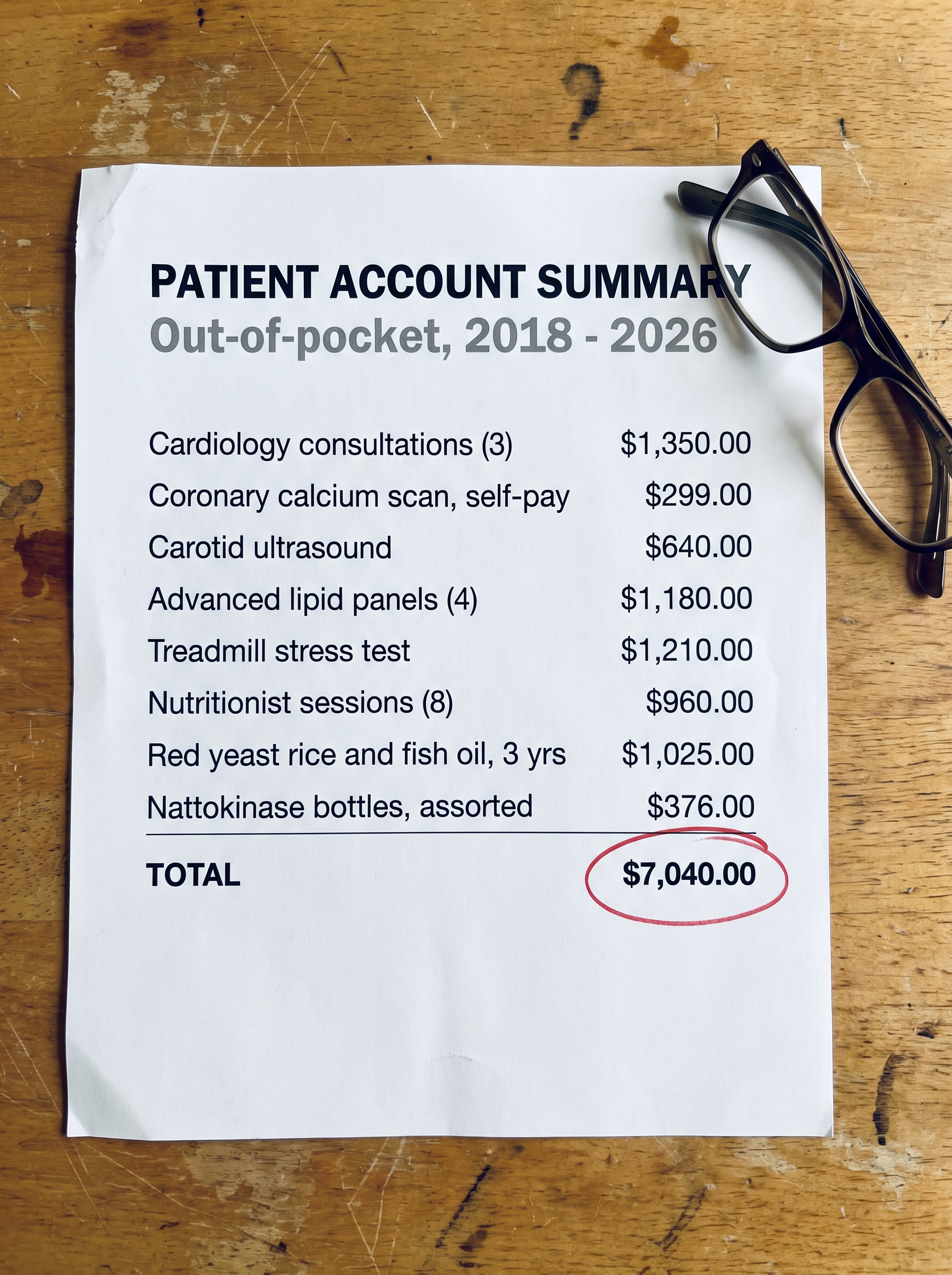
I spent years and the better part of seven thousand dollars chasing this — cardiologists, a calcium scan I paid for in cash, bottle after bottle. This one small bottle did what none of it could.
Here's Exactly What Happens When You Order
You click the button, choose your supply, and get an order confirmation within a few minutes. (Check spam — sometimes it lands there.)
Your bottle ships with a tracking number. We email it to you so you can follow it the whole way.
Take it with food, as directed on the label. Keep taking your existing medication — this goes after the scaffold your statin was never designed to touch. If you take warfarin, Eliquis, Plavix, a daily aspirin or any other blood thinner, or you have surgery coming up, talk to your doctor before you start.
Most people notice the everyday things first — easier walks, more energy, quieter nights. Track it and see for yourself.
If you don't feel different, email us. Full refund, keep the bottle. No questions.
One more thing: order today and you also get our short "First Week Guide" by email — it answers what everyone asks: "Can I take it with my statin?" "What if I'm on a blood thinner?" "How long until I feel it?" Keep taking your existing medication and let this go after the scaffold building underneath it.
That's it. No guessing at the FU. No heat-dried shortcut. Just nattokinase at the dose the research actually used.
This Isn't Amazon. We Make Small Batches.
Two Questions To Ask Yourself
If the answer to both is no, here's the whole thing in one line:
If it doesn't work, you get your money back. If it does, you get your peace of mind back.
One more thing. That thread I found — the one buried with the comment that changed everything — picks up new people every week, all searching for the exact thing you just found on this page.
P.S. — People ask why Noverly doesn't just make a giant batch and flood the shelves. Live enzyme at the full dose is exactly the part everyone cuts to save money, and verifying it takes time. I'd rather it run out for a week than ship the heat-dried shortcut that started this whole mess.
You've Been Burned Before. Here's Why This Is Different.
90 days. Full refund. Keep the bottle. If it's not working — Day 7, Week 2, Day 89, any time — just email us.
You've been burned enough times. I know the feeling of losing hope again.
Out of thousands of bottles, only a handful ever came back. Either it works for you, or you pay nothing.
Wherever you are right now — still doing the math on your father's age, still holding a prescription you haven't filled, still being told "just take the pill and hope" — you can be the next person that thread found. Your first easy night could be a week away.
The night I first tried it, I almost didn't. I'd been let down so many times I figured I was the one person nothing worked for. The number had climbed every year, and "take the statin and hope" was the only answer I'd ever gotten.
So I took it anyway. Hands practically certain I was wasting money again. Day 7, I walked the whole hill without slowing down — I checked my watch twice to be sure.
Week twelve, I walked into my recheck without the knot in my stomach. I sat in the car afterward for a second, just… not afraid. I texted my sister from the parking lot.
It's the small things that get me now. A long walk. A full night's sleep. Not bracing every time the phone rings.
Maybe you're where I was — thinking "she got lucky, it won't work for me." I thought that too. Don't take my word for it. I've shown you the research, the lab test, and the reviews. But if heart disease runs in your family and all you've been handed is a number and a prescription, give yours the same 90 days I gave mine. Then come back and tell me.
— Joanne Brennan, Heart-Health Researcher
© 2026 Noverly · Terms · Privacy · Contact